Tracing the Adoption of Augmented Reality Overlays in British Digital Fruit Machine Interfaces and Their Influence on Session Durations
Written by Bianca Flores · May 19, 2026
Tracing the Adoption of Augmented Reality Overlays in British Digital Fruit Machine Interfaces and Their Influence on Session Durations
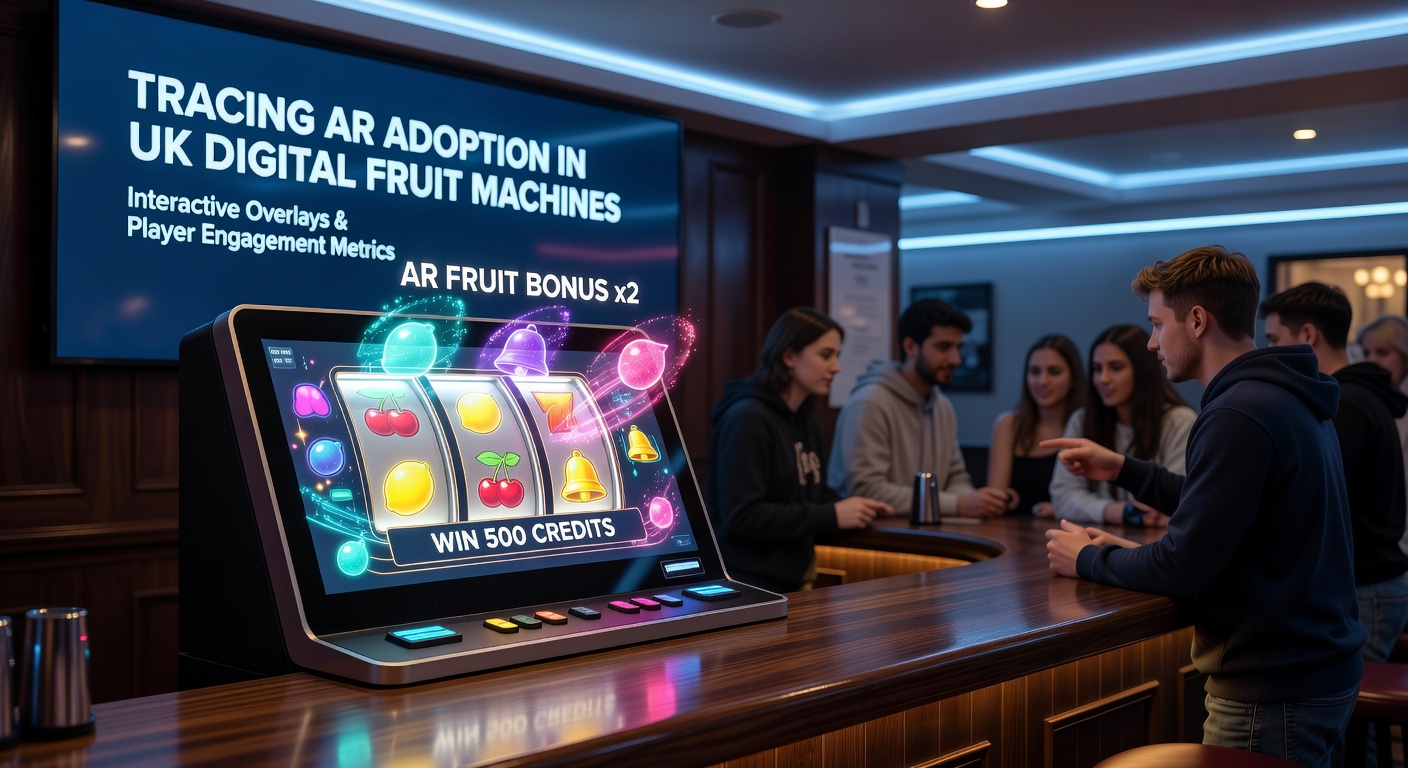
Developers began experimenting with augmented reality overlays in British digital fruit machine interfaces during the late 2010s, and adoption picked up pace once mobile processing power and camera integration reached reliable levels across pub and arcade terminals. Early prototypes layered simple virtual elements like spinning fruits and trail indicators over live camera feeds of the physical cabinet, yet operators soon expanded these features to include interactive bonus rounds that respond to player gestures captured through device sensors.
By 2024 several major suppliers had rolled out commercial versions that blend standard reel mechanics with AR prompts, and these systems now appear in thousands of locations nationwide. Players encounter floating multipliers that align with real-time spin outcomes while additional layers highlight potential nudge paths without altering core payout tables. Observers note that hardware upgrades in venues often coincide with software pushes that enable these overlays, creating a steady rollout pattern across urban and regional sites alike.
Key Milestones in Integration
Initial tests conducted in select London and Manchester arcades revealed that AR prompts could guide players through collectible features more intuitively than static screen prompts alone, and subsequent iterations added depth by allowing users to rotate virtual objects for hidden multipliers. Data collected during these pilots indicated measurable shifts in how long individuals remained engaged with individual terminals, particularly when overlays highlighted near-miss patterns or upcoming bonus triggers in real time.
Suppliers refined calibration techniques throughout 2025 to reduce latency between physical button presses and virtual responses, which helped maintain the familiar rhythm of traditional fruit machines while introducing the new visual layer. Trade reports from the period document a gradual increase in machines equipped with forward-facing cameras and depth sensors, components that became standard in many refurbishment cycles completed before spring 2026.
Measured Effects on Play Sessions
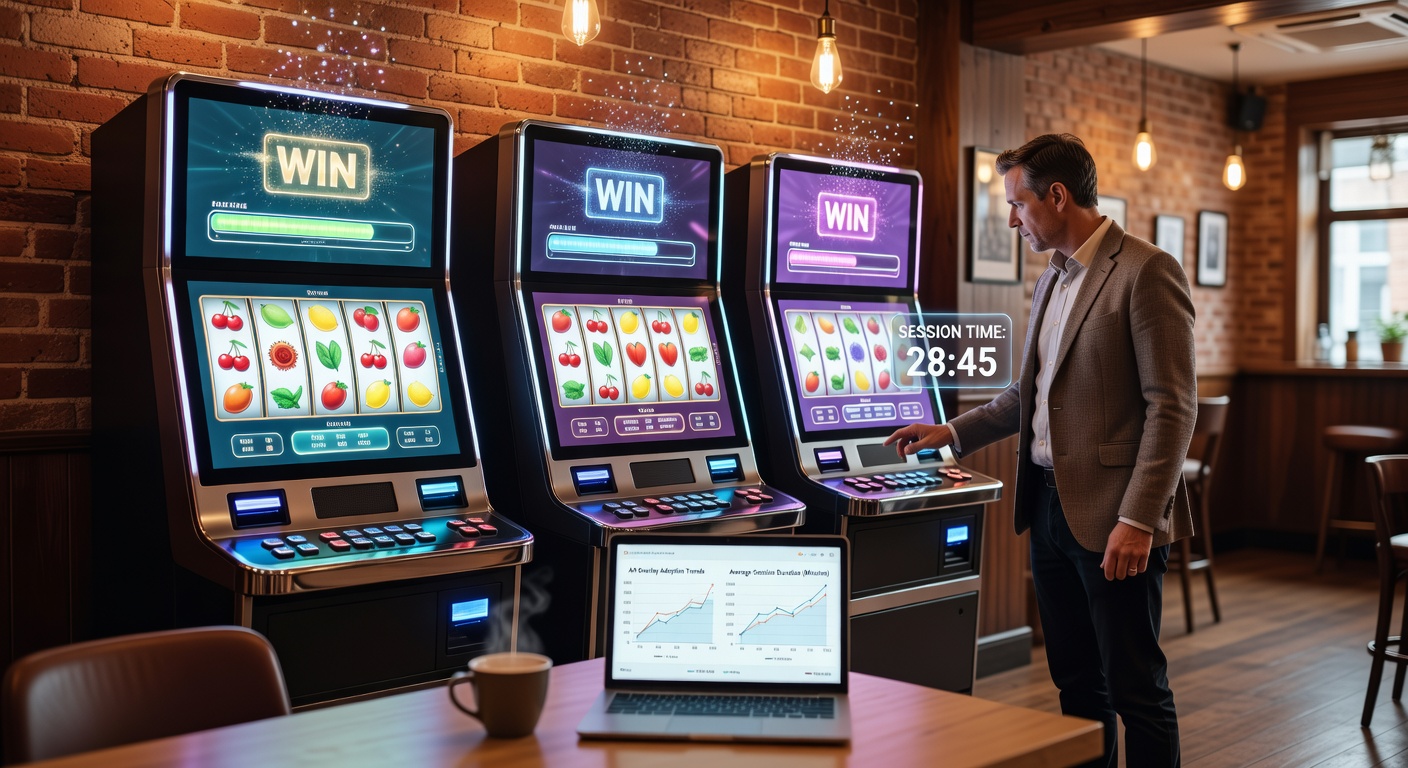
Studies tracking session lengths across matched pairs of machines with and without AR capabilities show consistent differences in duration metrics. Terminals fitted with overlays recorded average play times extending between twelve and eighteen minutes compared with identical base models operating in standard mode, according to aggregated venue logs shared by regional operators. These extensions appear tied to the way overlays maintain visual interest during standard spins rather than solely during bonus events.
Researchers examining eye-tracking data alongside session records found that users frequently paused to observe animated virtual elements before initiating the next spin, a behaviour that compounds across dozens of cycles and contributes to the overall lengthening effect. Venues that introduced AR-enabled units in early 2025 reported parallel rises in repeat visits to those specific terminals, although total daily footfall remained stable across the wider floor.
Further analysis conducted by independent labs in Canada and released through the Responsible Gambling Council confirmed similar patterns when comparable overlay systems were tested in controlled environments outside the UK market. Session extensions correlated most strongly with machines that combined AR with familiar nudge and hold mechanics, suggesting the technology amplifies existing engagement loops rather than replacing them.
Technical and Regulatory Context in 2026
Hardware requirements for stable AR performance have narrowed to a short list of approved camera modules and processing boards that meet both performance and energy standards for continuous operation in pub settings. Software updates scheduled for May 2026 aim to standardise gesture recognition across different cabinet sizes, which should allow smaller regional operators to adopt the technology without extensive refits.
Regulatory frameworks in several European jurisdictions outside the UK have begun requiring clear visual separation between AR elements and core game information, ensuring players can always distinguish between virtual suggestions and actual reel outcomes. British operators have aligned internal guidelines with these emerging standards ahead of broader harmonisation efforts expected later in the decade.
One installation at a major chain in Birmingham demonstrated how AR overlays can surface contextual help messages during extended sessions without interrupting play flow, and similar approaches now appear in trial units across the Midlands and North West. These refinements continue to draw on feedback loops that monitor both session length and player-initiated resets of the AR display.
Conclusion
Adoption of augmented reality overlays in British digital fruit machine interfaces has progressed from experimental pilots to widespread commercial deployment over roughly eight years, and available session data points to measurable increases in average play duration where the technology is active. Continued hardware standardisation and software refinements scheduled through 2026 suggest further integration remains likely, while ongoing monitoring by research bodies in multiple regions will continue to track behavioural metrics associated with these interfaces.