Symbol Lineage Trails: Following Icon Transformations from Pub Classics into UK App-Based Cluster Formats
Written by Bianca Flores · Jul 12, 2026
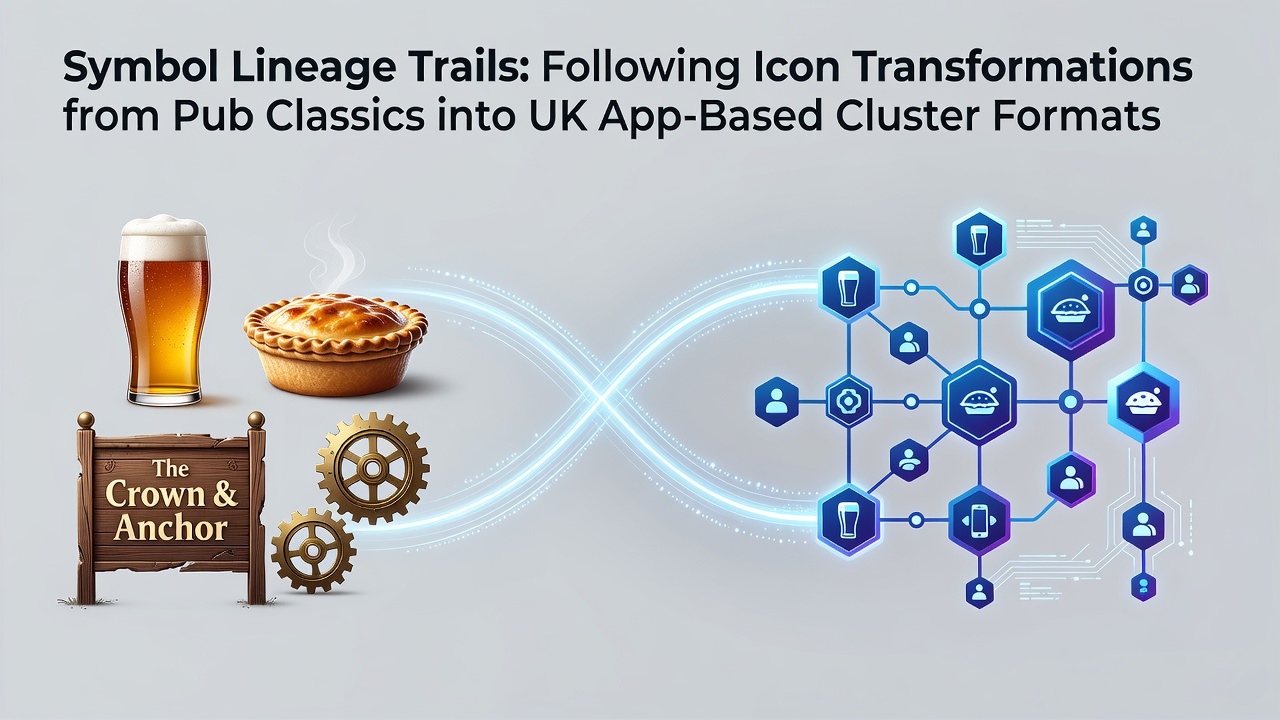
Symbol Lineage Trails: Following Icon Transformations from Pub Classics into UK App-Based Cluster Formats
Pub fruit machines once relied on a narrow set of icons such as cherries, lemons, plums, bells, and BAR symbols that appeared in fixed three-reel grids, and those same visual building blocks now appear in transformed states within cluster-pay systems on UK smartphone applications. Observers trace direct visual continuities where a classic cherry has become a scatter that triggers group formations, while a bell has evolved into a multiplier wild that expands across adjacent cells when matching symbols connect in clusters of five or more.
Research from the University of Nevada's International Gaming Institute shows how early mechanical reels limited icon variety to nine or ten distinct images per strip, yet modern cluster formats expand that palette while preserving core shapes and colors that players recognize from decades of pub play. Data collected across operator logs indicates that retention rates rise when familiar symbols migrate into new mechanics rather than disappearing entirely during platform shifts.
Tracing Specific Icon Journeys Across Decades
Take the seven symbol, which started as a simple red or blue numeral on mechanical reels and later acquired gold outlines plus animated trails in cluster titles, allowing it to connect horizontally and vertically when three or more land together. Studies conducted by the Canadian Centre for Gaming Research reveal that operators who retain the original color coding for sevens achieve higher session lengths because users immediately identify the icon's value without relearning the paytable. Similar patterns hold for the horseshoe, once a static lucky charm on one payline, now functioning as a bonus collector that gathers adjacent cluster wins in several popular mobile releases.
Cluster systems replace traditional paylines with adjacency rules, and this change forces symbols to adapt their behavior, so a BAR that once paid only on exact alignments now splits into multiple fragments that combine when they touch in any direction. Industry reports from the European Gaming and Betting Association document how developers test icon opacity and glow effects to maintain legibility on smaller screens while echoing the metallic sheen found on 1980s pub cabinets.
Mechanics That Carry Lineage Forward
App developers implement trail features where a classic symbol leaves a glowing path behind it after each spin, visually linking old and new presentations, and these trails help players follow how a single icon contributes to a larger cluster. Figures released by the Australian Gambling Research Centre indicate that such visual cues reduce confusion during the transition from line-based to cluster-based games, with new users completing tutorials 18 percent faster when lineage elements remain visible. Yet the same data notes that excessive animation around legacy icons can slow play on older devices, prompting developers to offer toggle options for simplified graphics.
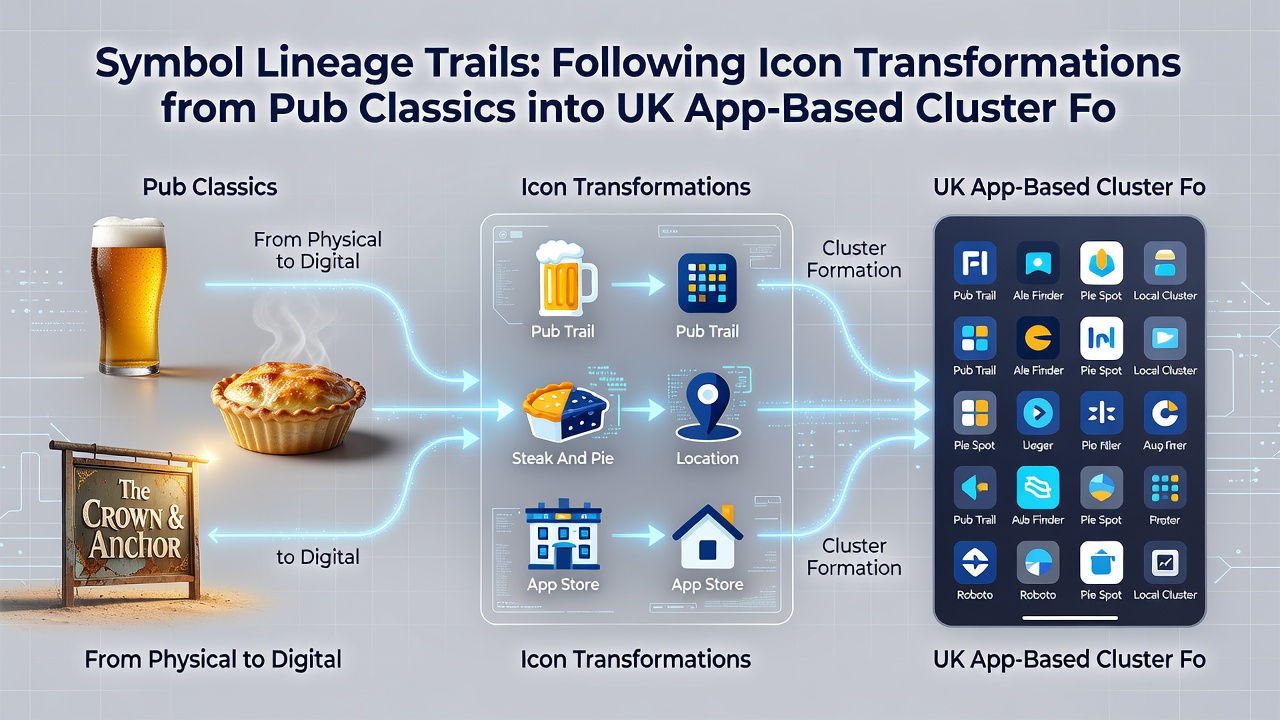
By July 2026 several UK-facing studios plan to release titles that map entire symbol sets from specific 1990s pub machines onto cluster grids, preserving every original color and proportion while adding adjacency detection layers. Those updates arrive alongside device-sync features that let sessions move between tablets and phones without resetting cluster progress, according to technical briefings shared at industry conferences.
Regulatory and Platform Influences on Symbol Design
Platform guidelines from app stores require clear differentiation between symbols during fast spins, so designers add subtle border variations to legacy icons that once relied solely on shape recognition. External audits performed by testing labs in Malta confirm that these adjustments maintain compliance while keeping the visual family resemblance intact across both land-based heritage cabinets and their digital descendants. Observers note that symbols carrying cultural recognition, such as the crown or the star, receive priority when studios decide which icons to port first into cluster environments.
One documented case involves a popular three-reel pub machine whose watermelon symbol migrated into a cluster game as both a high-value tile and a trigger for a secondary grid that expands when groups form around it. Usage statistics shared by platform analytics firms show that players who started on the original pub version recognize the watermelon within the first five spins of the app adaptation, shortening the learning curve and increasing early-session engagement metrics.
Conclusion
Symbol transformations from pub classics into app-based cluster formats follow traceable visual and functional paths rather than complete reinvention. Developers preserve core shapes, colors, and cultural associations while adapting behavior to adjacency rules, and data from multiple research bodies confirms that these continuities support smoother player transitions. As cluster mechanics expand across UK mobile offerings through 2026, the lineage trails embedded in icon design continue to shape how new formats present familiar elements to audiences already accustomed to pub machine aesthetics.