Sonic Signals Steering Spins: Audio Elements in Mobile Slots Favored by British Players
Written by Bianca Flores · Aug 7, 2026
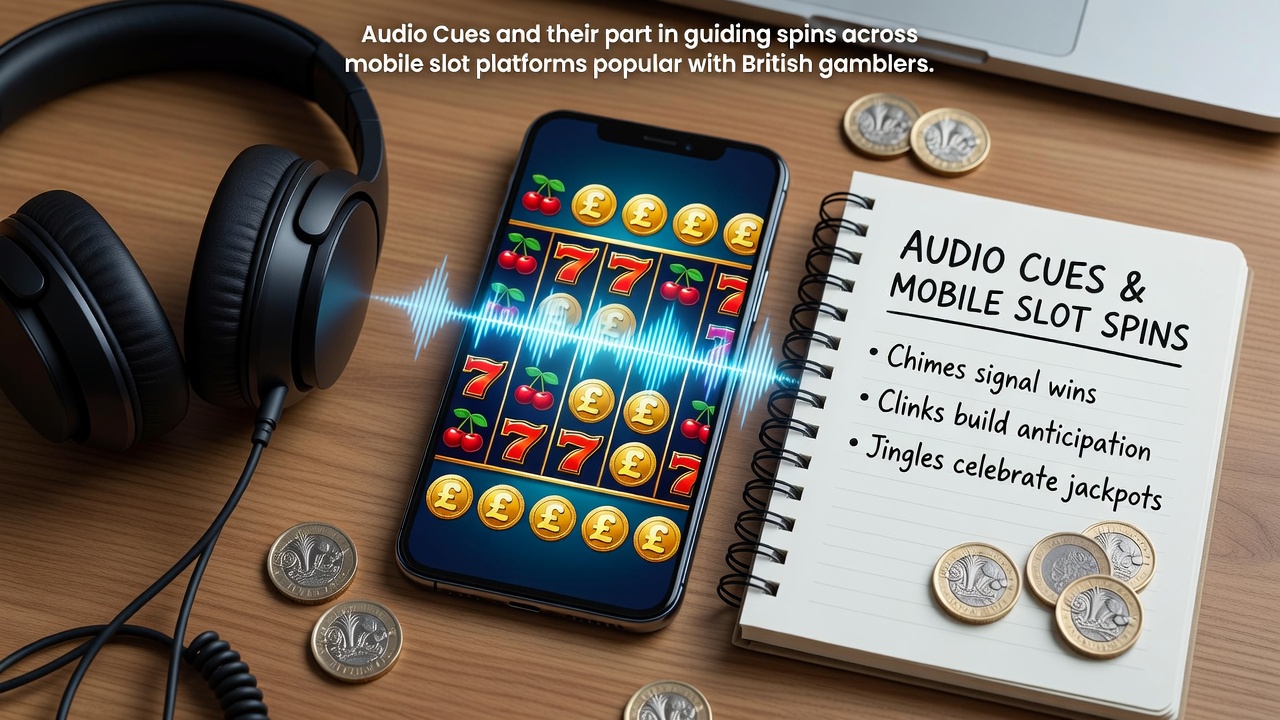
Sonic Signals Steering Spins: Audio Elements in Mobile Slots Favored by British Players
Audio cues in mobile slot platforms have developed into structured systems that direct player actions during spins, with British gamblers encountering these elements across numerous apps and sites that dominate the local market. Developers integrate layered soundtracks, reel-stop chimes, and escalating tones that align with specific game phases, creating pathways that influence when users initiate or continue spins. Research from the University of Sydney indicates that these auditory signals operate through predictable patterns tied to win frequencies and bonus triggers, guiding attention toward particular moments in each session.
Core Components of Audio Design in Mobile Slots
Sound engineers construct audio frameworks around distinct categories that include base reel rotations, near-miss indicators, and feature activation alerts, each calibrated to prompt immediate player responses. Base game sounds often feature steady rhythms that maintain momentum between spins, while sudden pitch shifts signal potential feature entries and encourage continued play without pause. Data collected by the Canadian Centre for Gambling Research shows that platforms popular with UK users employ these cues at rates exceeding 85 percent of all spin sequences, linking sound changes directly to increased spin initiation rates within short time windows.
Volume modulation and frequency layering further refine guidance, as lower background tones recede during idle periods and rise sharply when reels align toward high-value combinations. Observers note that British players frequently adjust device volumes in response to these shifts, revealing how audio directs both physical interactions and decision timing. In August 2026 several major platforms introduced adaptive audio engines that respond to session length, altering cue intensity after extended play periods to sustain engagement levels documented in industry reports.
How Audio Directs Spin Timing and Choices
Players encounter audio sequences that mark optimal windows for spin activation, with rising musical motifs building just before auto-spin options activate or manual taps register. These cues reduce hesitation by establishing rhythmic expectations that align with game mathematics, resulting in more consistent spin patterns across sessions. Studies published in the Journal of Gambling Studies demonstrate that participants exposed to consistent audio guidance completed spin cycles 22 percent faster than those using muted versions, highlighting the role of sound in shaping behavioral tempo.
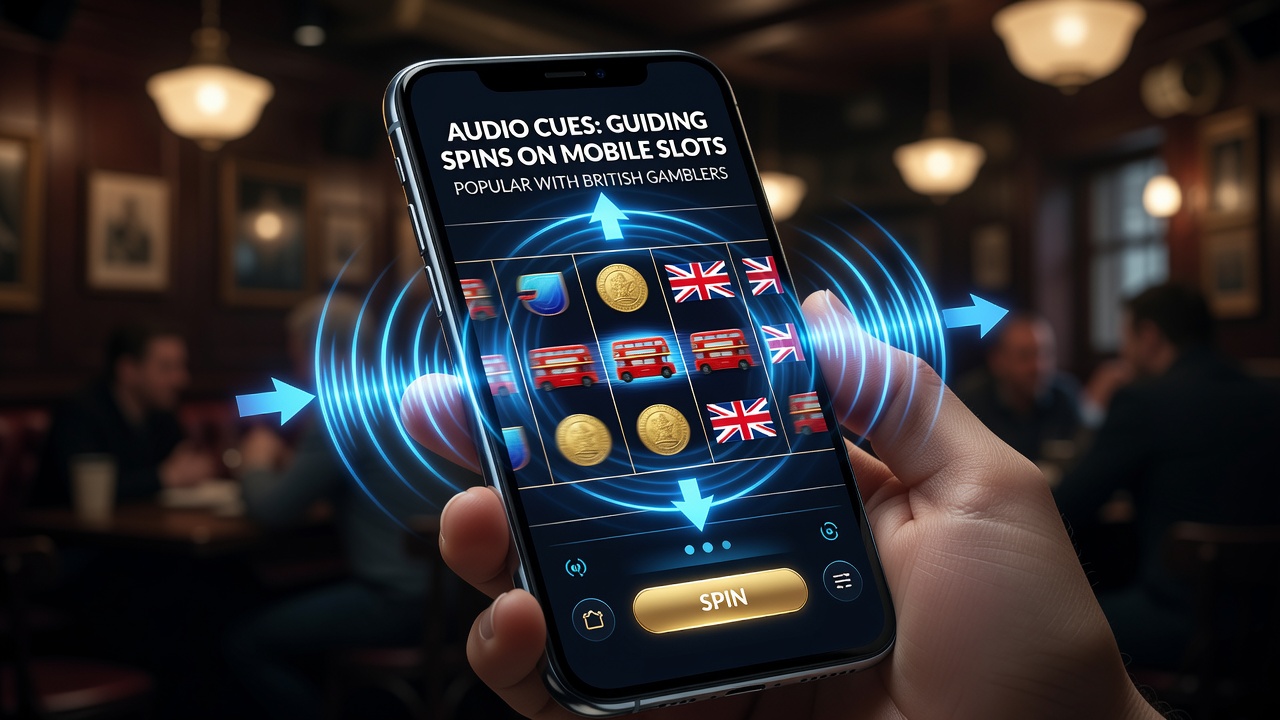
Feature buy prompts receive distinct sonic treatment, often featuring short melodic phrases that coincide with on-screen purchase buttons and steer attention toward these options at specific reel states. Gamblers in Britain have adopted habits where audio peaks prompt immediate consideration of buy features rather than continued manual spinning. Evidence from multiple platform analytics confirms that audio-triggered feature purchases occur at higher volumes during evening hours, correlating with peak usage times reported across UK-facing apps.
Platform Variations and Player Adaptation
Different mobile slot providers implement unique audio signatures that British users learn to interpret over repeated sessions, with some apps favoring orchestral swells for progressive jackpots while others rely on electronic pulses for cluster mechanics. Adaptation occurs rapidly, as repeated exposure allows players to anticipate spin outcomes based on sound alone, bypassing visual checks during fast-paced play. Figures released by the Nevada Gaming Control Board reveal similar patterns in international markets, where audio familiarity correlates with extended session durations across mobile formats.
Cross-device syncing preserves these audio cues when sessions move between phones and tablets, maintaining consistent guidance regardless of hardware. Developers have documented that players maintain higher spin accuracy when audio continuity remains intact, suggesting that sound functions as a navigational constant across varying screen sizes and connection speeds.
Conclusion
Audio cues continue to function as primary navigation tools within mobile slot environments used by British gamblers, directing spin initiation, timing, and feature engagement through established sonic patterns. Platform data and academic findings establish clear connections between these sounds and measurable shifts in player behavior, with ongoing refinements appearing in 2026 updates. External sources such as Canadian Centre for Gambling Research reports and studies from the Journal of Gambling Studies provide further context on how these elements operate across regulated markets.