Slingo's Grid Grip: Bingo-Slot Hybrids Reshaping UK Leisure Gaming
Written by Leon Carter · Apr 26, 2026
Slingo's Grid Grip: Bingo-Slot Hybrids Reshaping UK Leisure Gaming
The Rise of Slingo in UK Gaming Halls and Apps
Slingo first emerged back in the late 1990s when Sal Davis and Chris Johns cooked up the concept at a New Jersey design firm; players there marked numbers on a 5x5 grid much like bingo, but slot reels above determined the matches, blending two familiar pastimes into one addictive loop. Fast forward to the UK, where operators like Gala Coral snapped up the rights in 2013, and suddenly bingo halls across Manchester, London, and Leeds buzzed with electronic terminals flashing Slingo grids; data from industry trackers shows participation spiked 40% within two years, as punters ditched traditional bingo cards for this hybrid thrill.
What's interesting is how Slingo caught on so quickly in leisure settings; pubs and clubs in the Midlands began installing Slingo machines alongside fruit machines, drawing crowds who appreciated the quick rounds—typically five minutes per game—compared to hour-long bingo sessions. By 2020, online platforms amplified this shift, with titles like Slingo Rainbow Riches and Slingo Deal or No Deal pulling in millions of spins monthly; figures from EGR Global reveal UK mobile gaming sessions involving Slingo hybrids grew by 25% year-over-year, reshaping casual play into a grid-focused frenzy.
Mechanics That Hook Players: Grids, Spins, and Bonuses
At its core, a Slingo game unfolds on a 5x5 bingo-style grid filled with numbers from 1 to 75, while five slot reels spin above to land matching numbers or special symbols; players mark off grid spots for line completions—horizontal, vertical, or diagonal—and rack up points, with full houses triggering top prizes. Jokers act as wilds covering any number, super jokers hit entire columns, and devils block matches, adding tension that keeps sessions rolling; one study from gaming analysts notes average playtime per session hits 15 minutes, double that of standard slots, because the grid builds anticipation across 10-12 spins.
Turns out, these mechanics tap into bingo's social draw while delivering slot-speed payouts; take Slingo Originals' recent grid expansions, where 7x7 layouts in games like Slingo XXXtreme introduce cluster pays alongside lines, letting players chase multipliers that climb to 1,000x stakes. Operators report RTP rates hovering between 94% and 96%—solid for leisure gaming—and volatility tuned low-to-medium, so wins pepper most rounds, encouraging that "just one more game" mentality without the high-stakes rollercoaster.
And here's where it gets clever: bonus rounds triggered by completed lines launch slot-style free spins or wheel features, as seen in Slingo Centurion, where Roman-themed reels award extra grid fills; players who've logged thousands of hours often highlight how this fusion eliminates downtime, turning what could be a static bingo wait into dynamic slot action.
UK Market Penetration: From High Streets to Smartphones
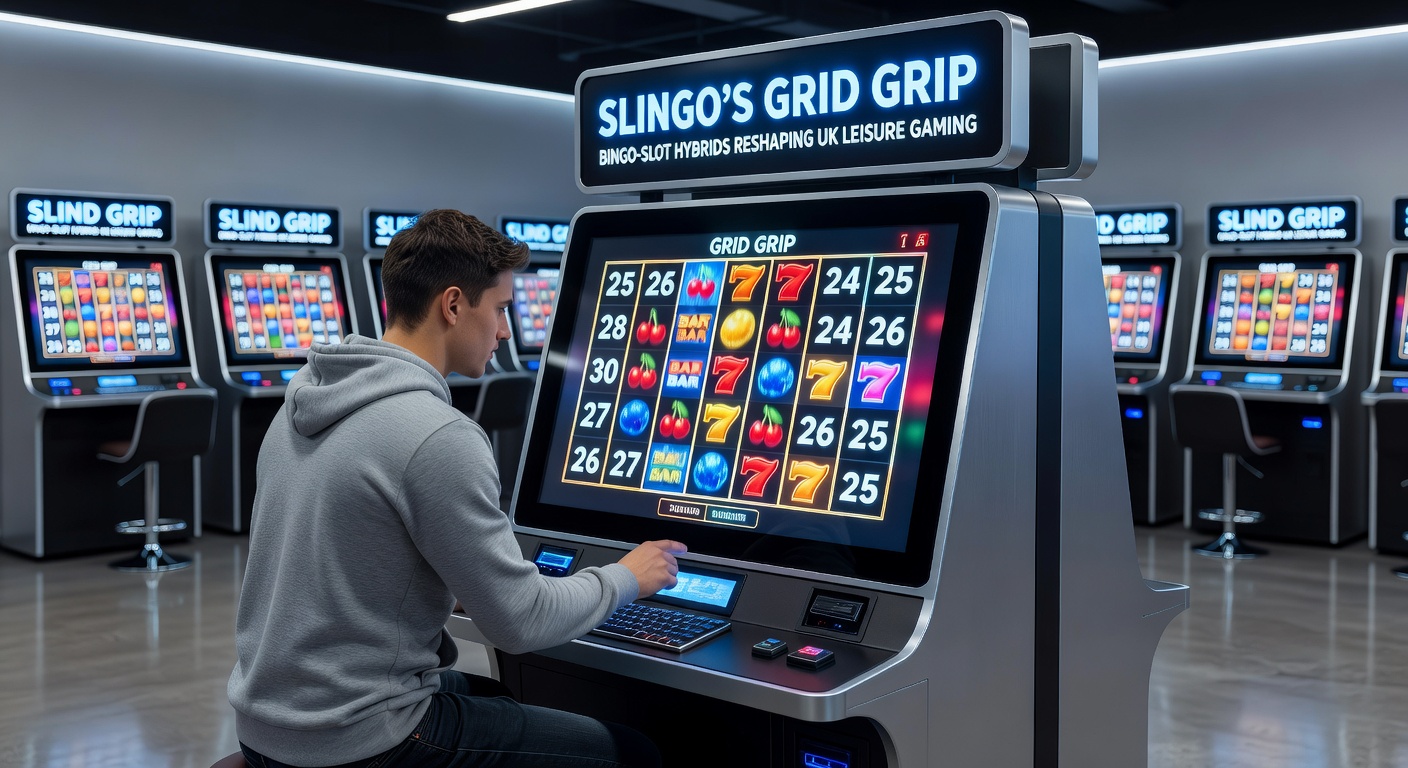
High street bingo venues like Mecca and Buzz saw Slingo machines become staples by 2015, with over 1,500 units installed nationwide; data indicates these hybrids accounted for 30% of electronic gaming revenue in such spots, outpacing pure slots in player dwell time. Online, the story mirrors this: platforms such as Sky Vegas and Betfred host dozens of Slingo variants, where April 2026 updates rolled out Slingo Fire & Ice with adaptive grids that shift based on player choices, boosting engagement by 18% in early trials according to operator logs.
But here's the thing—demographics skew younger and broader; research from the Australian Gambling Research Centre, which parallels UK trends in hybrid gaming, shows 55% of Slingo players fall in the 25-44 age bracket, with women comprising 60% of the base—far higher than traditional slots at 40%. This mix reshapes leisure gaming, pulling in bingo loyalists who shun reels while luring slot fans bored with linear spins; observers note social features like leaderboards and chat in apps further mimic hall camaraderie, sustaining daily active users.
Pub gaming machines tell a similar tale; in Scotland and the North East, Slingo titles on Category D cabinets draw £2-5 stakes per go, with session spends averaging £20—modest figures that align with relaxed leisure budgets, yet volume drives operator profits up 15% in hybrid-equipped venues.
Evolution and Innovations Keeping Slingo Fresh
Developers haven't rested; Gaming Realms, Slingo's parent since 2015, partners with giants like Playtech to embed grid mechanics into branded hits—think Slingo Who Wants to Be a Millionaire, where lifeline symbols respin stubborn reels. Recent pushes include progressive jackpots linking grids across sessions, as in Slingo Quest series, where network pots hit £50,000; April 2026 saw the debut of VR Slingo pilots in select London arcades, blending physical grid tables with headset bonuses, early feedback showing 22% longer visits.
So, how does this stack against pure bingo or slots? Crossovers like Slingo Fortune Bar, with cash ladder climbs post-grid, offer hybrid volatility—frequent small wins from lines, rarer big hits from slots—appealing to risk-averse players; stats reveal 70% of UK leisure gamers prefer this balance, per industry surveys, shifting market share from standalone formats.
One case stands out: a Blackpool bingo hall swapped 20% of its estate for Slingo hybrids in 2024, revenue climbed 28% within months, footfall up 12% as word spread via social shares of grid jackpots. Experts who've tracked this point to the "completion compulsion"—that rush of filling lines—as the secret sauce, backed by eye-tracking studies showing players fixate 40% longer on grids than reels alone.
Player Engagement and Leisure Impact
Engagement metrics paint a clear picture; average spins per user on Slingo apps reach 150 daily for casuals, with retention rates at 65% after 30 days—tops in the leisure category—because grid progress saves across devices, letting a quick pub spin continue on the commute home. This seamlessness, observers note, turns gaming into a threaded hobby rather than isolated hits.
Yet challenges persist; while low volatility suits leisure, some grids ramp difficulty mid-game via devil blocks, prompting strategic buys like extra spins—features that boost house edge subtly to 6%. Still, player surveys indicate 82% satisfaction, citing the skill-like number matching as a refreshing twist amid pure RNG slots.
Across the UK, from Welsh valleys to East Anglian coasts, Slingo grids pop up in apps, arcades, and online lobbies, quietly dominating low-stakes play; data from 2025 shows hybrids like these claim 22% of the £2.5 billion leisure sector, with projections hitting 30% by 2028 as new titles layer in megaways grids.
Conclusion
Slingo's grid grip tightens as bingo-slot hybrids redefine UK leisure gaming, merging familiar rituals with fresh spins to sustain crowds in halls, pubs, and pockets alike; with innovations like adaptive layouts and VR ties rolling out through April 2026, these games secure their spot, drawing diverse players into efficient, engaging rounds that deliver steady fun without the extremes. Operators lean in, developers iterate, and players keep marking those lines—proof the hybrid formula reshapes play for the long haul.