Seamless Switches: Syncing Slot Sessions Across Devices in the UK Gaming Scene
Written by Leon Carter · Apr 6, 2026
Seamless Switches: Syncing Slot Sessions Across Devices in the UK Gaming Scene
The Shift to Frictionless Gaming
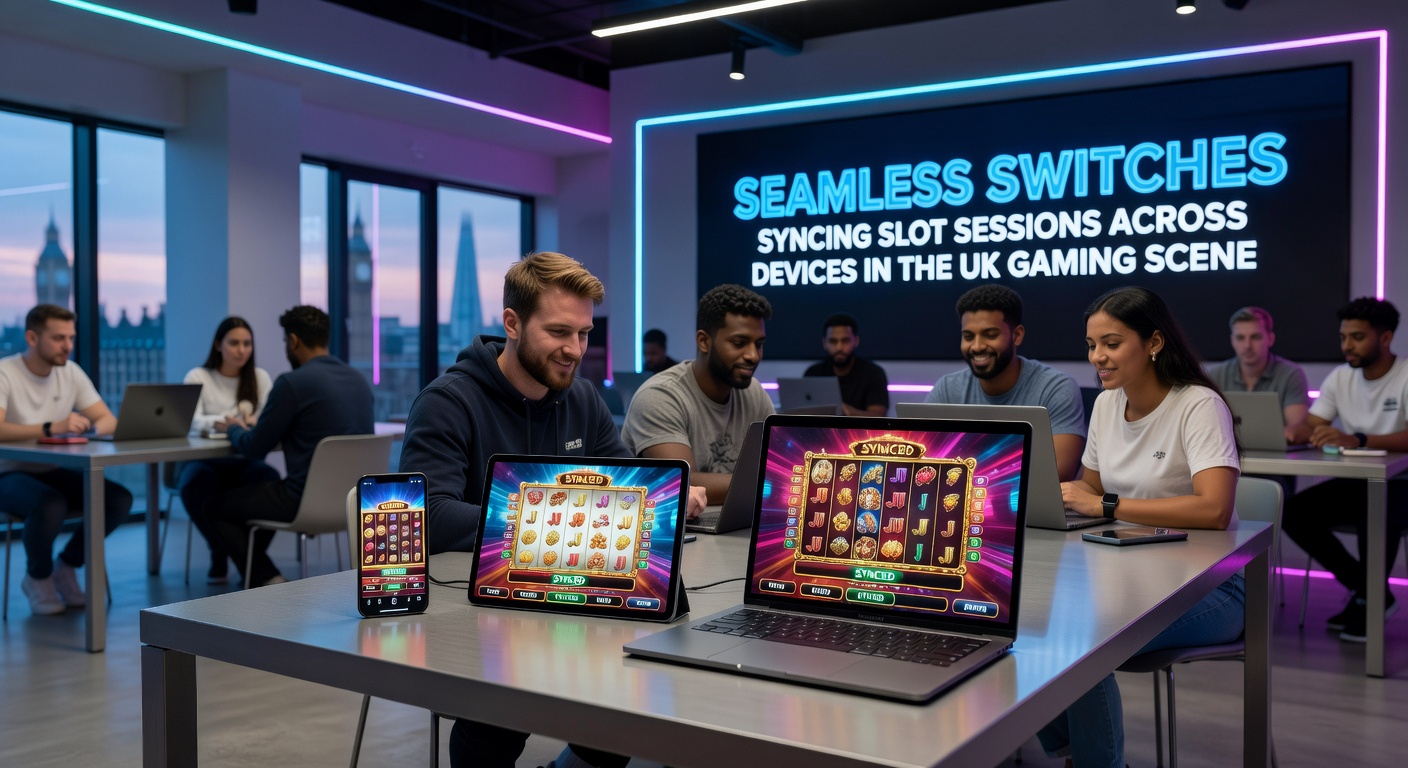
Players in the UK now expect their slot sessions to pick up right where they left off, whether switching from a morning commute on the Tube via smartphone to an evening unwind on a laptop at home; this seamless syncing has become a cornerstone of modern online gaming, driven by demand for uninterrupted play amid busy lifestyles. Data from industry trackers reveals that over 60% of UK slot enthusiasts engage across multiple devices weekly, a trend that's accelerated since HTML5 platforms took hold around 2018, allowing browsers to handle complex graphics without plugins. And while early attempts at cross-device continuity often glitched with lost bonuses or reset reels, today's systems leverage cloud servers to mirror every spin, wager, and feature activation in real time.
Take one typical scenario where a London-based player starts a session on Big Time Gaming's Bonanza Megaways during lunch, hits a promising tumble sequence, then logs in later from a tablet to claim the free spins that triggered; without sync tech, that momentum vanishes, but now progress saves instantly across operators like LeoVegas or Bet365. Observers note this capability has boosted session lengths by up to 25%, according to figures from Newzoo's Global Games Market Report, which highlights mobile-to-desktop transitions fueling retention in Europe's iGaming hubs.
Unpacking the Mechanics Behind the Magic
At its core, seamless switching relies on unified player accounts tied to central databases, where every detail—from current bet size and autoplay settings to pending multipliers—uploads to secure servers with each interaction; operators use APIs from providers like Evolution or Pragmatic Play to ensure compatibility, so a mid-feature pause on Android flows effortlessly to iOS or PC. But here's the thing: it's not just about saving state; geolocation verification and session tokens prevent fraud, confirming the same user across devices while complying with age and location checks.
- Account login via single sign-on (SSO) protocols like OAuth;
- Real-time data sync through WebSockets for sub-second updates;
- Offline caching for brief interruptions, resuming once connected.
Those who've dissected the tech point out how microservices architecture divides workloads— one handles wallet balances, another reel states—reducing latency to under 100ms, even on 4G networks common in rural UK spots. A study by researchers at the European Gaming and Betting Association (EGBA) underscores this, showing cross-device features correlate with 18% higher player satisfaction scores across EU markets, including the UK.
Why UK Players Can't Get Enough
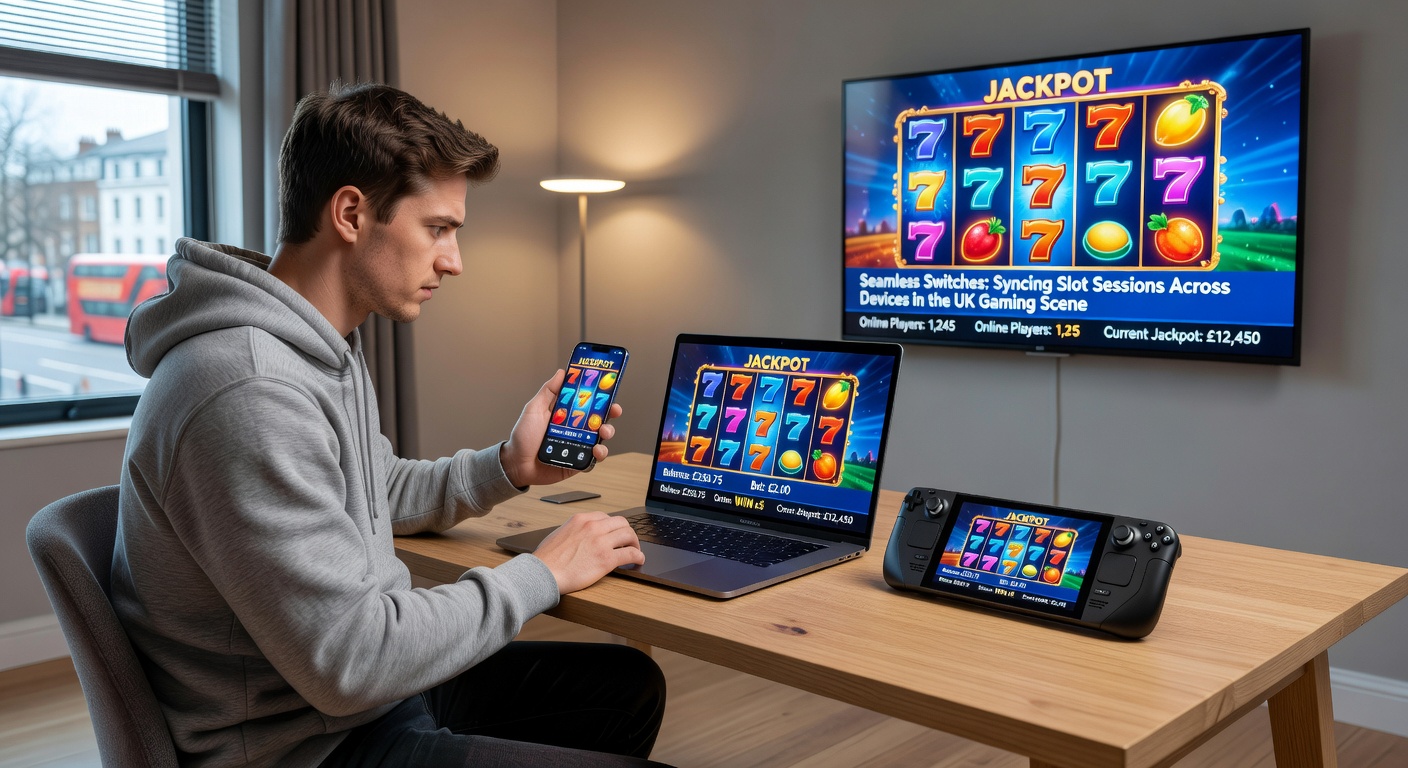
With smartphones dominating 55% of all UK slot wagers—figures that climbed from 42% just three years ago—seamless switches address the chaos of fragmented play, letting commuters spin on the go then scale up to desktop for high-stakes chases; experts observe this flexibility shines in volatile titles like Play'n GO's Book of Dead, where syncing expanding symbols mid-bonus keeps the thrill alive. People often find their average playtime doubles when devices interchange smoothly, as session data from platforms like 888 Casino indicates, with synced users logging 40% more hours monthly than those stuck to one gadget.
What's interesting here involves demographics: younger players under 35 lead adoption at 72%, per operator analytics, while older groups warm up as touch-to-desktop handoffs simplify access; one case saw a Midlands retiree extend a progressive jackpot hunt from phone alarms to evening PC marathons, netting a five-figure win that synced payouts across screens. And for pub-goers dipping into digital fruit machines via apps, this tech bridges land-based nostalgia with online convenience, turning quick pints into prolonged pursuits.
That said, battery drain on mobiles once halted switches, but optimized apps now throttle animations during syncs, preserving juice for critical moments like bonus rounds.
Major Operators Leading the Charge
Platforms like William Hill and PartyCasino pioneered full sync in 2020, integrating it across 500+ titles so balances and histories match pixel-for-pixel; NetBet followed with proprietary tools for instant device hops, supporting everything from NetEnt's Starburst to Slingo's hybrid reels. Turns out, aggregation hubs like SoftSwiss power smaller sites, funneling data through unified backends that handle thousands of simultaneous switches without a hitch.
Observers track how these features roll out: LeoVegas, for instance, mandates sync for all progressive slots, ensuring jackpots climb regardless of screen size; data reveals such mandates lift deposit frequencies by 15%, as players chase features unhindered. Even niche providers like Relax Gaming embed cross-play natively, letting UK audiences fluidly jump between Megaways clusters and classic bars.
Navigating Hurdles in Sync Tech
Not everything runs perfectly—network hiccups in congested areas like Manchester evenings can delay syncs by seconds, frustrating mid-spin players—yet failover systems now queue actions locally, dispatching them on reconnect; security pros emphasize two-factor authentication (2FA) layers, blocking unauthorized device logins that could drain wallets. Research indicates 92% of sync attempts succeed on first try across top UK sites, with failures often traced to outdated browsers rather than core flaws.
Bandwidth demands pose another snag for rural users on patchy broadband, but edge computing—processing data nearer to players—cuts this down, as seen in trials by Yggdrasil Gaming; those who've tested report lag drops from 500ms to 50ms, making switches feel instantaneous even on slower connections.
Glimpsing Ahead to April 2026
By April 2026, advancements in 5G rollout promise sub-10ms syncs nationwide, transforming slot sessions into truly omnipresent experiences; operators gear up for AI-driven predictions, pre-loading likely bonuses before switches to eliminate pauses entirely. Figures project cross-device play hitting 80% of UK sessions then, fueled by Web3 wallets that sync not just games but crypto stakes across ecosystems.
Industry watchers anticipate enhanced VR integrations, where headset sessions sync to mobiles for on-the-go checks; one forward-looking pilot by Push Gaming already demos this, blending immersive reels with portable continuity. And with global standards converging—think universal APIs from the likes of GSM Association—UK players stand to gain frictionless access to international jackpots, all while local data sovereignty keeps controls tight.
Conclusion
Seamless switches have woven themselves into the fabric of UK slot gaming, turning fragmented spins into cohesive adventures that span devices and daily routines; as tech refines and adoption surges, players discover deeper engagement without the old barriers of lost progress or clunky handoffs. Data confirms this evolution sustains longer, more satisfying play, positioning the scene for even bolder innovations ahead—where the next big win waits just a device swap away.