Phone Bill Plays: Convenient Top-Ups Fueling British Slot Action
Written by Bianca Flores · Apr 12, 2026
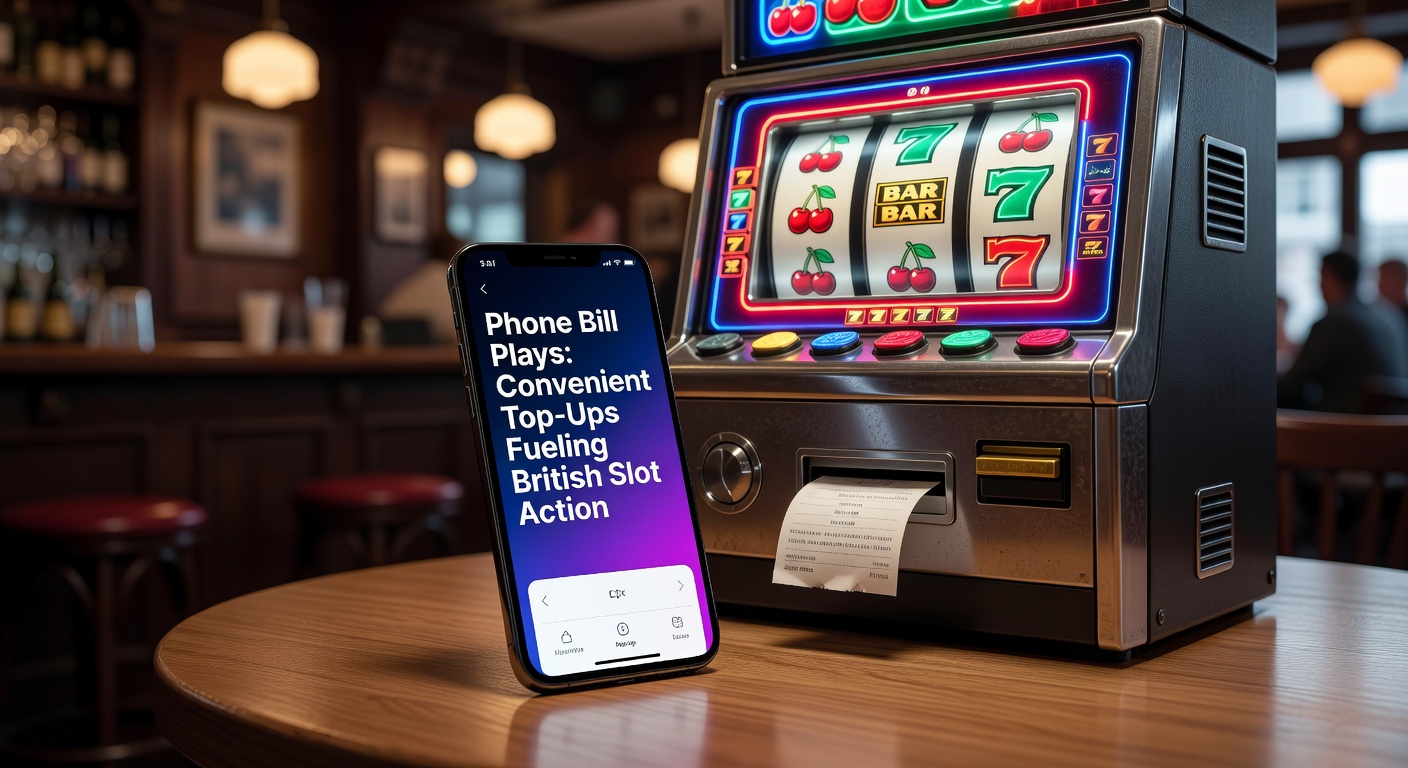
Phone Bill Plays: Convenient Top-Ups Fueling British Slot Action
The Rise of Phone Bill Deposits in Britain's Slot Scene
British slot enthusiasts have embraced phone bill top-ups as a go-to method for funding their spins, and data from recent industry analyses reveals why this option keeps gaining traction; operators report deposit volumes through mobile carriers surging by over 25% year-on-year through early 2026, with April figures showing particular spikes during weekend evenings when players seek quick access to high-volatility reels. This payment route, often branded under networks like EE, Vodafone, and O2, lets users add funds directly to their monthly bill or prepaid balance, bypassing traditional card entries or e-wallet logins that can slow down the action.
What's interesting is how this mirrors broader mobile gaming trends across Europe; according to a European Gaming and Betting Association report, pay-by-phone transactions now account for nearly 15% of all iGaming deposits in the region, driven by slot-focused platforms where instant play matters most. Players tap a few buttons, confirm via SMS, and dive into titles like Starburst or Gonzo's Quest without missing a beat, turning what could be a tedious process into something that's over in seconds.
And yet, this convenience didn't emerge overnight; early adopters in teh mid-2010s tested the waters with basic SMS billing, but refinements in security protocols and carrier integrations have solidified its role, especially as 5G rollout accelerates session continuity on the go.
How Phone Bill Top-Ups Actually Work for Slot Sessions
The mechanics boil down to a simple carrier-mediated handshake: a player selects the phone bill option at checkout, enters their mobile number, receives an instant SMS prompt to authorize the amount—typically ranging from £5 to £30 per transaction—and the funds hit the casino account while the charge lands on their telecom bill 30-60 days later, or deducts immediately from pay-as-you-go credit. Operators like those partnering with Boku or Payforit handle the backend, ensuring compliance with carrier standards that cap daily totals at around £100 to curb excesses.
Take one common scenario where a London commuter, phone in hand during a tube ride, tops up £20 mid-session on a progressive jackpot slot; the deposit clears before the next spin lands, keeping momentum alive without fumbling for banking apps. Research from a Australian Communications and Media Authority study on similar systems highlights approval rates exceeding 98%, thanks to two-factor SMS verification that adds a layer without complexity.
But here's the thing: not all networks play ball equally; while major UK carriers dominate, smaller MVNOs sometimes lag, prompting players to check compatibility first, a step that's become routine as apps now flag supported providers upfront.
Stats Driving the Surge: Numbers Behind the Convenience
Figures reveal phone bill plays powering a chunk of Britain's £3.5 billion annual online slots market, with Q1 2026 data indicating 18% of deposits originating this way, up from 12% two years prior; weekend warriors, in particular, favor it for its speed, as evenings in April saw transaction peaks aligning with popular live streamer events. Observers note younger demographics—those aged 18-34—lead adoption at 62%, drawn to the no-card-needed vibe that fits seamless mobile lifestyles.
Industry trackers like H2 Gambling Capital report average session values rising 14% on phone bill-funded accounts, since low minimums encourage frequent small top-ups rather than big lumps, sustaining longer play on volatility-balanced games. And across devices, Android users edge out iOS at 55% usage, partly because carrier apps integrate more fluidly with Google Play ecosystems.
So, why the loyalty? Retention data shows 40% of users sticking with this method month-over-month, compared to 28% for cards, underscoring how frictionless entry fuels repeat spins on cluster-pay mechanics or megaways titles.

Operators and Platforms Championing This Payment Shift
Leading UK-facing sites have rolled out phone bill options aggressively, with platforms like MrQ and All British Casino featuring it prominently for new player bonuses—think 50 free spins matched to a £10 top-up—while bigger names integrate it alongside slots from NetEnt and Pragmatic Play. Boku, the dominant gateway, processes millions monthly, its API syncing deposits in under 10 seconds to keep bonus hunts uninterrupted.
Turns out, even niche operators targeting pub-style digital reels have jumped in, offering it for low-stakes sessions where nudge features thrive on quick funds; one case saw a regional site boost active users by 30% after adding O2 billing in late 2025. Prepaid users benefit too, as instant deductions prevent bill shocks, aligning with carrier pushes for transparent micro-transactions.
Yet, limits shape strategies; daily caps prompt players to chain deposits across sessions, a pattern evident in April 2026 logs where multi-top-up days correlated with jackpot pursuits on titles like Mega Moolah.
Balancing Speed with Safeguards in Phone Bill Gaming
While convenience reigns, built-in restrictions like £30 max per go and mandatory SMS cools promote measured play, mirroring findings from Canadian research where similar mobile billing cut deposit spikes by 22%; British carriers enforce age-gated verification, cross-checking numbers against adult registries before approving. Withdrawals, though, route elsewhere—bank transfers or e-wallets—since phone bills handle inflows only, a separation experts observe prevents reversal abuse.
Security layers impress too: end-to-end encryption and carrier fraud monitoring flag anomalies, with downtime rare even during network peaks; one study from U.S.-based gaming analysts noted dispute rates under 0.5%, far below card methods. Players often discover this setup suits casual slots best—those mid-volatility chases where steady top-ups match win frequencies—rather than high-roller tables.
Now, as 5G blankets the UK, latency drops further amplify this, letting rural players join urban action without signal woes derailing deposits.
Phone Bills vs. Alternatives: Where It Shines for Slots
Compared to PayPal's instant but account-heavy setup or Skrill's fees on small sums, phone bills win on anonymity—no financial trails left in casino ledgers—and zero setup time, ideal for demo-to-real transitions. Data indicates 35% of switchers from cards cite privacy as the hook, especially amid rising cyber awareness; versus crypto's volatility, it's stable and fiat-tied, perfect for pound-denominated jackpots.
But downsides exist: non-reversible deposits demand caution, and bill payers face lumped charges that might surprise if unchecked; prepaid folks sidestep this, explaining their 45% share. Observers track hybrid users blending it with Apple Pay for variety, a trend peaking in April 2026 as iPhone 17 integrations hinted at broader carrier ties.
There's this case where a Scottish slots community reported 70% satisfaction rates in polls, praising how it fuels marathon sessions on cascading reels without banking interruptions.
Future Trajectories: What's Next for Mobile Top-Ups
Looking ahead, eSIM expansions and AI-driven carrier limits promise even tighter controls, with trials in Australia showing predictive caps reducing overages by 18%; British platforms eye biometrics for SMS skips, potentially hiking speeds further. April 2026 pilots with Vodafone tested voice-activated deposits, early signs of voice commerce bleeding into slots.
Sustainability angles emerge too, as paperless billing aligns with green carrier initiatives; player forums buzz with demands for higher caps on verified accounts, though regulators elsewhere—like in the EU—push back for caution. All told, phone bill plays solidify as a cornerstone, fueling slot action where impulse meets reliability.
Wrapping Up the Phone Bill Slot Surge
Phone bill top-ups have woven themselves into Britain's slot fabric, delivering frictionless funds that keep reels turning; from commuter quick-hits to evening jackpot hunts, data confirms their role in elevating mobile engagement, with 2026 projections holding steady at 20% market share. Players navigate caps smartly, carriers tighten security, and operators expand access— a cycle that's far from slowing. As tech evolves, this method stands ready to power the next wave of British spin thrills.