Inside the Mechanics of Tiered Reward Systems That Link Slot Progressions to Loyalty Incentives
Written by Tina Schmitt · Aug 16, 2026
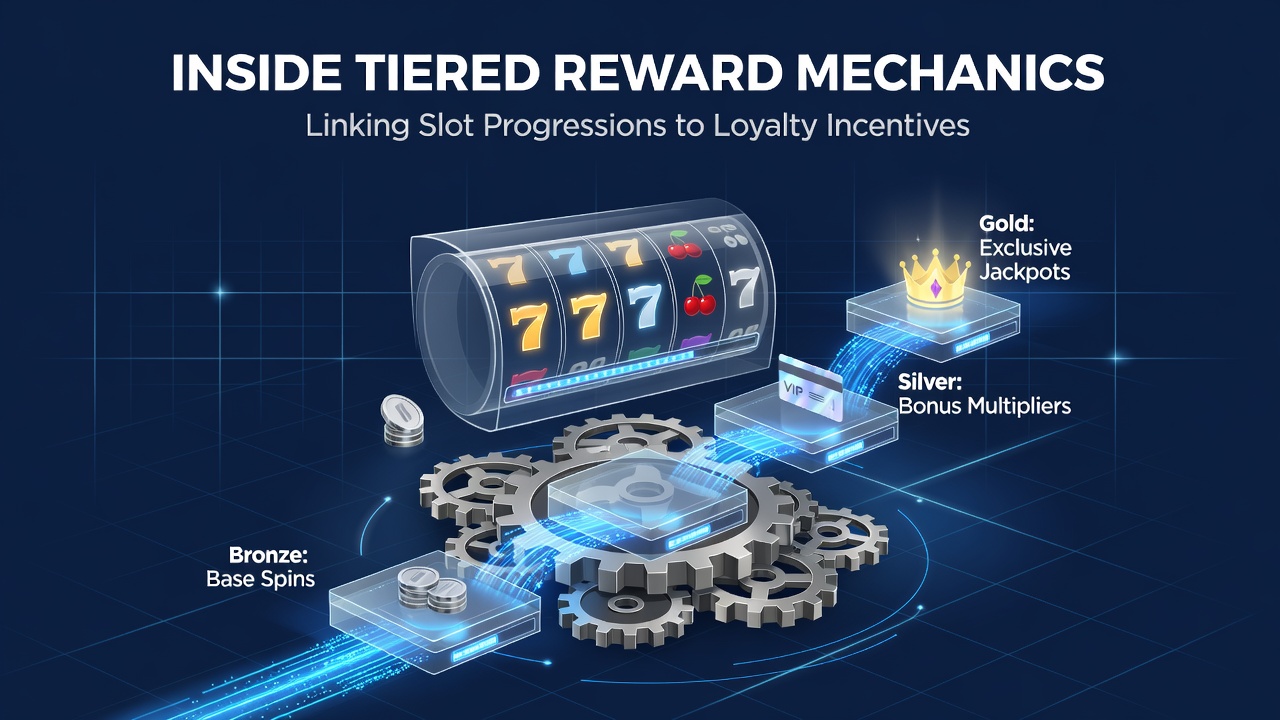
Inside the Mechanics of Tiered Reward Systems That Link Slot Progressions to Loyalty Incentives
Tiered reward systems function through interconnected layers where slot activity generates points that advance players across defined loyalty stages, each unlocking distinct incentives tied directly to continued play patterns and game-specific progressions. These structures track metrics such as total wagers, spin frequency, and feature activations to calculate advancement rates, while the underlying algorithms adjust point multipliers based on volatility settings and bet sizing.
Core Components of Point Accumulation
Points accrue via base formulas that multiply stake amounts by predefined coefficients, yet operators layer additional variables including time spent in sessions and completion of in-game objectives that trigger bonus multipliers. Researchers at institutions like the University of Nevada, Las Vegas have documented how these calculations integrate real-time data feeds from slot servers, allowing instant tier status updates that reflect both short bursts of activity and sustained patterns over weeks or months. Data from regulatory filings in August 2026 indicate rising integration of progression trackers that sync across multiple titles, creating unified loyalty profiles rather than isolated game metrics.
Progression Pathways and Tier Thresholds
Advancement occurs along linear or branching pathways where reaching each new tier demands cumulative point totals that escalate exponentially, often requiring players to shift from low-volatility titles toward higher-stake options to meet thresholds efficiently. Observers note that many systems embed slot-specific progress bars, such as collecting symbols across sessions to unlock loyalty boosts, which in turn accelerate point earning rates once certain milestones appear. Industry reports compiled by the Nevada Gaming Control Board show these mechanics frequently incorporate decay functions that reduce inactive accounts, prompting regular engagement to maintain status levels and associated privileges.
Slot progressions feed into loyalty incentives through direct linkages where feature triggers, like cascading sequences or bonus rounds, award extra loyalty currency that bypasses standard accumulation rates. This design encourages players to explore new titles within the same ecosystem, since cross-game bonuses often carry over to the primary loyalty ledger.
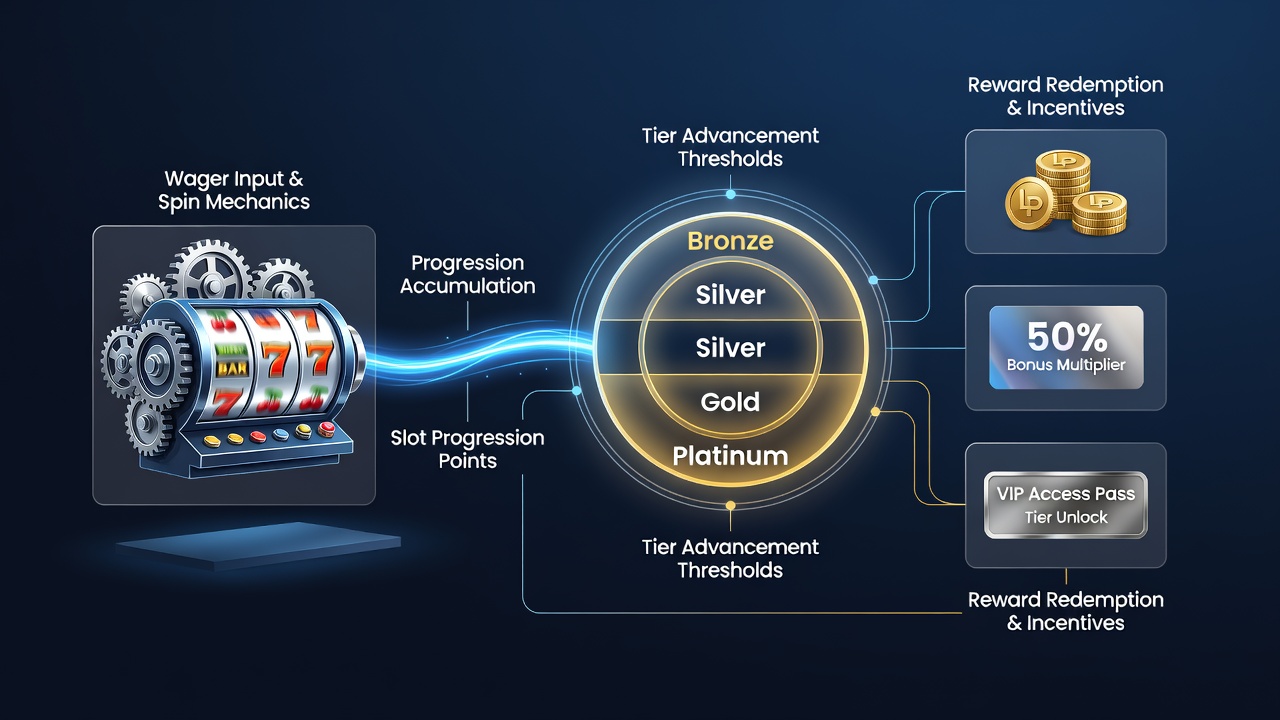
Incentive Structures Tied to Loyalty Stages
Each tier grants escalating benefits ranging from immediate cashback percentages applied to net losses through to personalized free spin allocations calibrated to the player's historical bet averages. Higher stages commonly introduce exclusive access to progressive jackpot pools or accelerated withdrawal processing, while the most advanced levels provide dedicated account managers who can adjust point redemption options on a case-by-case basis. According to analyses published by the Victorian Commission for Gambling and Liquor Regulation, these layered incentives correlate with measurable increases in session duration once players cross mid-tier boundaries, because the perceived value of remaining benefits grows with each advancement.
Mechanics often include soft and hard caps on monthly point earnings that reset on fixed calendars, forcing strategic timing around promotional windows when multipliers apply across entire portfolios of games. Those who have studied operator databases frequently identify seasonal adjustments that align with peak tourism periods or regulatory reporting cycles, ensuring loyalty pools remain balanced against revenue targets.
Integration With Regulatory Frameworks
Operators must document these systems in detail for compliance reviews conducted by bodies such as the New Jersey Division of Gaming Enforcement, which examines fairness in point distribution algorithms and transparency of tier requirements. Reports from August 2026 highlight increased scrutiny on how progression mechanics interact with responsible gambling tools, particularly when loyalty incentives could inadvertently extend play beyond intended limits. External audits verify that random number generators governing slot outcomes remain independent from loyalty calculations, preventing any direct manipulation of reward probabilities based on player tier status.
Cross-border operators adapt these frameworks to satisfy multiple jurisdictions simultaneously, often maintaining separate ledgers for different regulatory zones while presenting unified interfaces to players. Industry associations have published guidelines recommending clear disclosure of all progression formulas in accessible player portals, reducing disputes over unexpected tier demotions during inactive periods.
Conclusion
Tiered reward systems continue evolving through tighter integration of slot progression data with loyalty incentives, supported by regulatory oversight from diverse authorities and ongoing academic examination of player behavior patterns. These mechanics deliver structured pathways that reward consistent engagement while maintaining separation between game outcomes and reward calculations. As operators refine algorithms in response to 2026 compliance updates, the fundamental linkages between spin activity, point thresholds, and tier benefits remain central to retention strategies across the sector.