From Mechanical Roots to Digital Trails: British Innovations in Collectible Slot Features
Written by Bianca Flores · Jun 7, 2026
From Mechanical Roots to Digital Trails: British Innovations in Collectible Slot Features
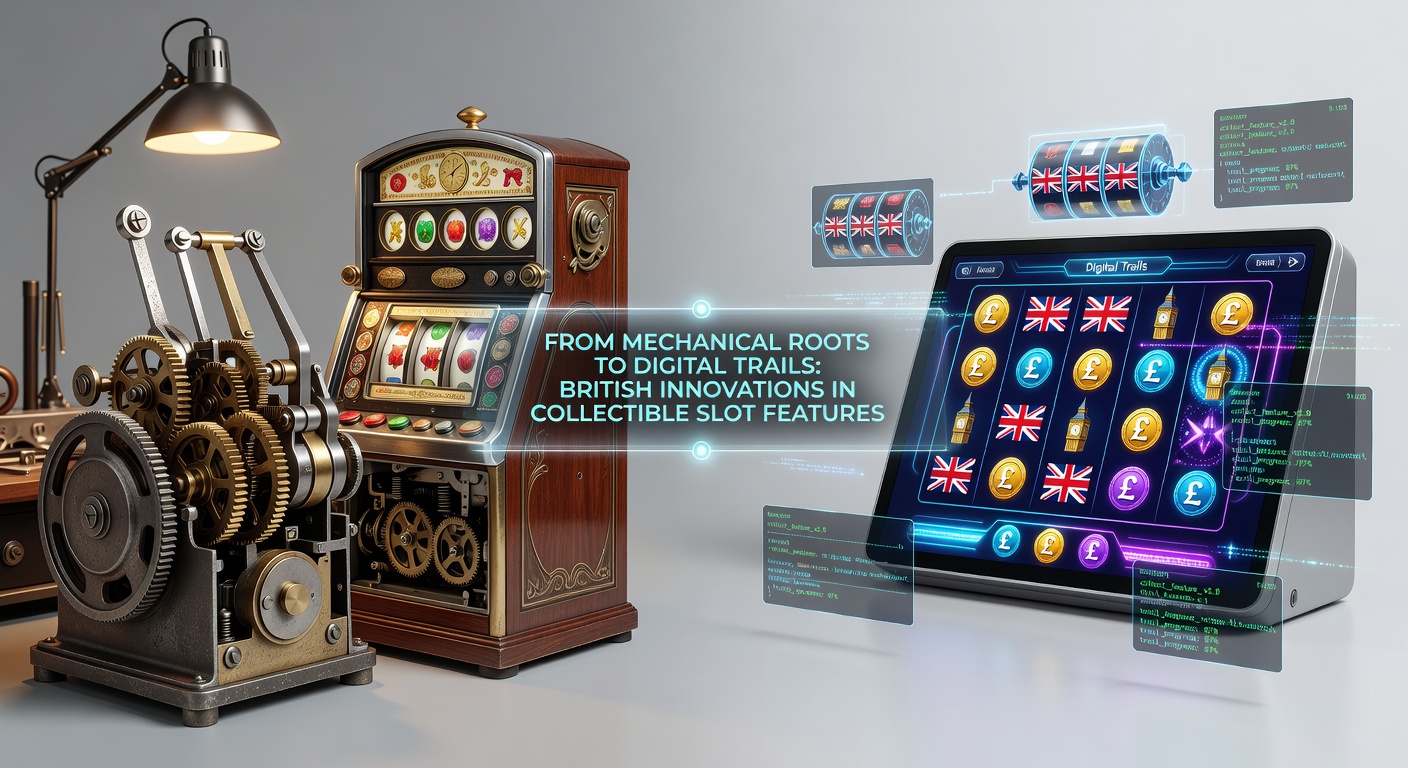
British developers began experimenting with collectible mechanics in mechanical fruit machines during the 1960s and 1970s, where players gathered symbols along physical trails to unlock bonus payouts, and these systems relied on rotating reels connected to simple electrical circuits that advanced markers toward fixed prize thresholds. Manufacturers such as Barcrest and JPM refined these trails by incorporating multiple collection paths that required specific symbol combinations to progress, which created layered gameplay within the constraints of electromechanical hardware. Data from industry archives shows that by the late 1970s over 40 percent of new UK pub machines incorporated at least one trail-based collection feature, reflecting a shift toward extended play sessions rather than single-spin outcomes.
Transition from Hardware to Software Systems
During the 1990s the introduction of computer-controlled reels allowed British engineers to expand collectible mechanics beyond physical limitations, replacing printed trails with digital counters that tracked player progress across multiple sessions when machines permitted persistent data storage. Programmers developed algorithms that awarded incremental points for matching icons, and these points accumulated toward escalating reward tiers without resetting after each spin. Observers note that this period marked the first widespread use of random number generators calibrated to balance collection frequency against overall return percentages, while hardware remained housed in traditional cabinets familiar to British players.
By the early 2000s networked systems enabled machines in the same venue to share collective progress toward community-style trails, a development documented in technical papers presented at European gaming conferences. These shared features required synchronized servers to update displays in real time, ensuring that contributions from one player advanced visible milestones for everyone present. Figures from trade association records indicate that venues adopting networked collectibles reported average session lengths increasing by 18 percent compared with standalone units.
Digital Expansion and Persistent Collection Designs
Online platforms accelerated the evolution of collectible slot features once broadband access became standard in the United Kingdom, allowing developers to implement cloud-based progress tracking that survived across devices and extended play periods spanning days or weeks. British studios introduced themed collection sets where players gathered virtual items tied to seasonal or narrative events, and these items unlocked layered bonus rounds once thresholds were met. Research conducted by the University of Nevada, Las Vegas Center for Gaming Research highlights how persistent collection systems increased player retention metrics in regulated markets, with similar patterns observed in UK-facing platforms.
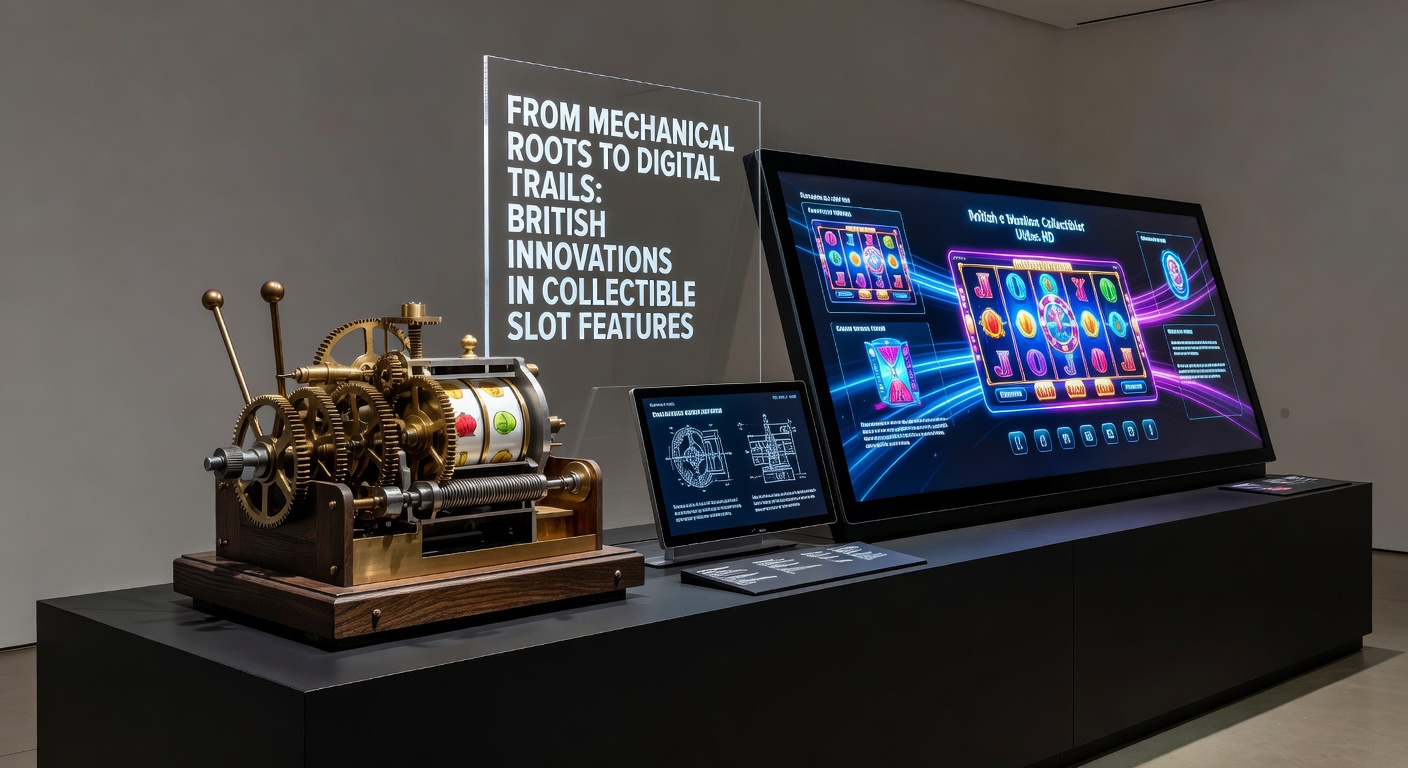
Designers further refined these mechanics by introducing branching trails that offered multiple collection routes, each leading to distinct reward structures based on player choices during gameplay. Algorithms adjusted collection difficulty dynamically according to recent spin outcomes, maintaining regulatory compliance while preserving engagement. In June 2026 several platforms are scheduled to release updated collection frameworks that incorporate cross-title progress, enabling players to transfer collected items between different games developed by the same studio.
Regulatory Context and Technical Standards
International standards bodies such as the Gaming Standards Association have published guidelines that influence how collectible features are implemented across jurisdictions, including requirements for transparent progress indicators and audit trails for accumulated data. A 2024 report issued by the Australian Institute of Criminology examined digital collection mechanics in multiple markets and noted that transparent display of collection status correlates with clearer player understanding of feature triggers. British developers have aligned their systems with these emerging benchmarks while adapting them to local preferences for trail-style progression inherited from earlier mechanical designs.
Technical innovations also include integration of collectible elements with progressive elements where pooled contributions from multiple players advance shared digital trails displayed on leaderboards. These hybrid systems draw on both traditional UK trail mechanics and contemporary server architectures, creating experiences that blend solitary collection with communal milestones. Data compiled by Canadian provincial regulators shows measurable differences in session distribution when shared trails operate alongside individual collection paths.
Conclusion
The progression from mechanical collection trails to sophisticated digital systems illustrates how British engineering adapted core concepts across technological generations while maintaining recognizable gameplay structures. Ongoing developments scheduled for mid-2026 continue this trajectory by expanding interoperability between titles and platforms. Regulatory frameworks established by diverse international bodies continue to shape implementation details, ensuring that collectible features remain both engaging and compliant within evolving technical environments.