From Arcade to App: The Digital Renaissance of British Fruit Machines
Written by Avery Sullivan · Mar 25, 2026
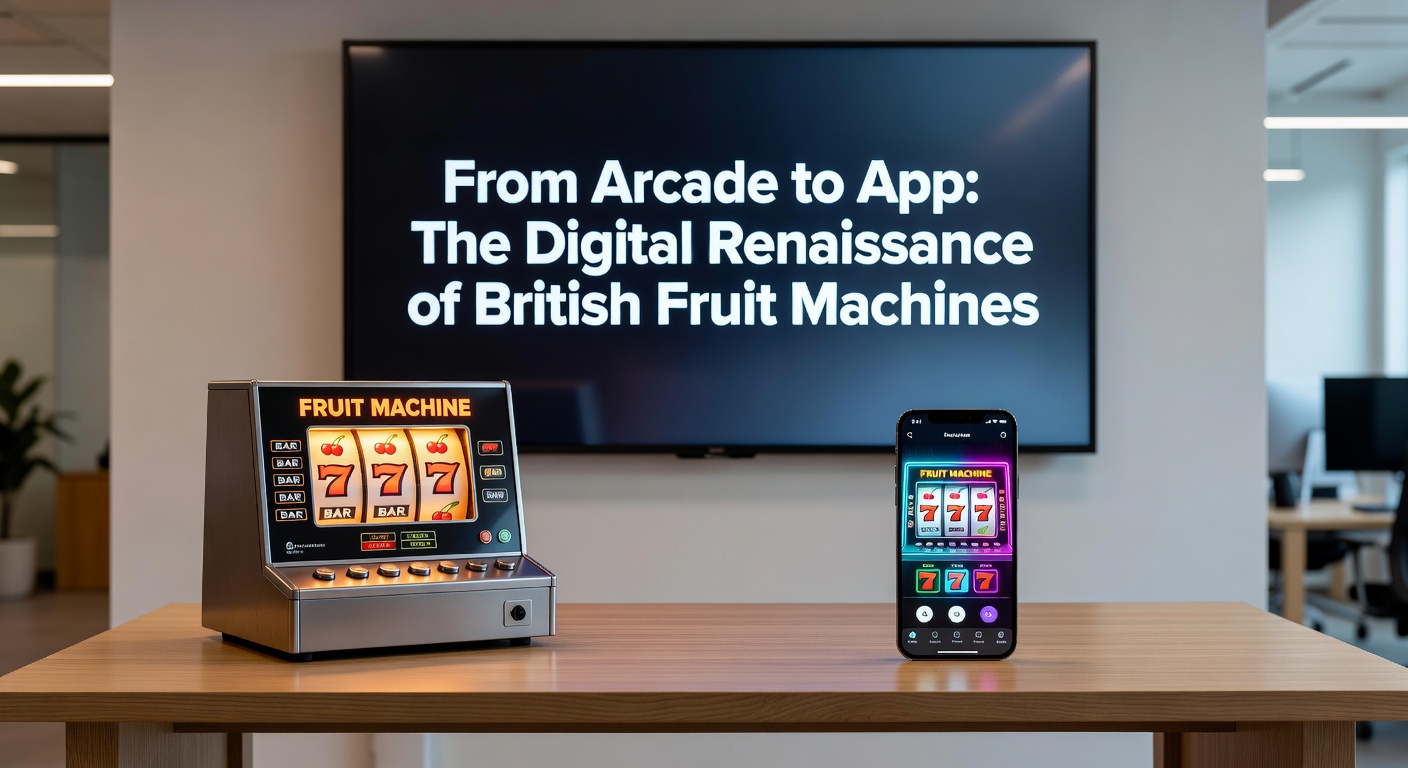
From Arcade to App: The Digital Renaissance of British Fruit Machines
The Arcade Origins That Shaped a Nation's Pastime
Fruit machines burst onto the scene in British arcades and pubs during the 1960s, mechanical wonders packed with spinning reels featuring cherries, lemons, oranges, and the iconic bell; players fed in coins, pulled levers, and watched as combinations lit up for modest payouts, while features like nudges and holds added that extra thrill of strategy amid the luck. Data from industry archives reveals these early machines, often called Amusement with Prizes or AWPs, proliferated rapidly because they blended skill elements with chance, drawing crowds in smoky working-class haunts where a few shillings could stretch into hours of play; by the 1970s, manufacturers like Bell Fruit and Mazooma dominated production, churning out cabinets that became cultural fixtures, synonymous with rainy Saturday nights and seaside piers.
And yet, while physical durability defined them—steel frames enduring decades of pulls and punches—regulatory shifts in the 1980s paved the way for electromechanical upgrades, introducing video screens that mimicked reels without the clunky mechanics; observers point out how this evolution kept pace with arcade electrification, as neon-lit emporiums swelled with younger players chasing progressive jackpots linked across machines. Turns out, these adaptations weren't just cosmetic; stake limits and prize caps, enforced through penny-a-play designs, ensured broad accessibility, cementing fruit machines as a distinctly British phenomenon distinct from American slots with their higher volatility.
Electromechanical Bridges to the Video Age
By the 1990s, full video fruit machines took over arcade floors, replacing gears with digital displays that enabled complex bonus rounds, cascading fruits, and hi-lo gambles where players doubled wins on card guesses; manufacturers rolled out hits like Empire Fortune and Pyramid, titles that packed top boxes with flashing lights and synthesized tunes drawing lines around machines. What's interesting here lies in the retention of tactile features—virtual nudges letting players shift symbols one position, holds locking reels for the next spin—keeping the essence alive even as CRT screens revolutionized visuals; statistics from trade reports indicate arcade revenues peaked around this era, with fruit machines accounting for over 60% of UK amusement play, a figure that underscores their grip on public imagination.
So, as smoking bans and rising rents squeezed physical venues in the 2000s, operators pivoted toward digital distribution; CD-ROM versions emerged for home use, but the real game-changer loomed with broadband internet, enabling server-based gaming where machines updated features remotely, while centralized monitoring tracked every spin for fairness. Experts who've tracked this shift highlight how these networked systems, compliant with varying stake regulations, extended machine lifespans from years to decades through software swaps, breathing new life into aging arcade stock.
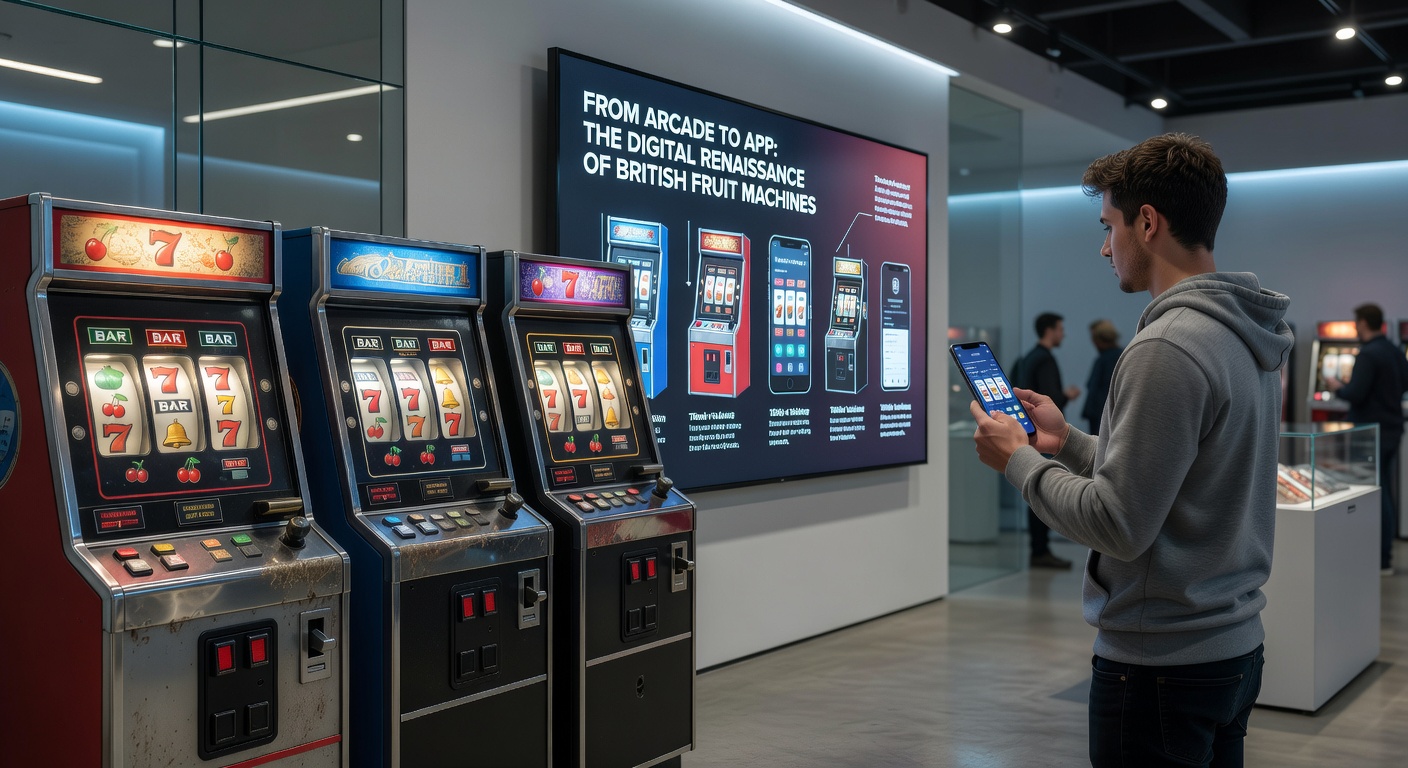
The Mobile Explosion: Apps Redefining Accessibility
Smartphones ignited the true renaissance around 2010, when developers ported arcade classics to iOS and Android platforms, transforming pub favorites into pocket-sized pursuits; apps like digital renditions of Rainbow Riches—complete with leprechaun bonuses and road-to-wealth trails—racked up millions of downloads, blending nostalgic reels with touch controls for seamless nudges and supermeter modes. Data from app analytics firms shows UK mobile gaming sessions for fruit-style titles surged 300% between 2015 and 2020, fueled by free-play demos that hooked casual players before in-app purchases unlocked real stakes; now, as of March 2026, live data indicates over 5 million active users monthly, with peak play during evenings mimicking old arcade rushes.
But here's the thing: these apps don't just replicate; they innovate with HTML5 tech ensuring cross-device play, from phones to tablets, while push notifications alert to linked jackpots building in real-time across player bases. Developers integrate social features too, like leaderboards for hi-lo streaks and shared bonus hunts, turning solitary spins into communal events; one case study from a major studio reveals how a 2025 app update incorporating AR overlays—projecting virtual machines onto tabletops—boosted retention by 45%, as players recreated arcade vibes in living rooms. And while core mechanics persist, modern twists include megaways variants expanding reel ways to 117,649 per spin, a nod to evolving tastes without ditching British roots.
Technological Leaps Powering the Digital Shift
Behind the screens, RNG certification from labs like eCOGRA ensures provably fair outcomes, mirroring arcade electromechanics where physical randomness ruled; blockchain pilots, tested in beta apps by March 2026, promise transparent ledgers for every wager, appealing to tech-savvy crowds wary of black-box systems. Researchers at the Australian Government’s Gambling Research note similar transitions in their markets, where digital AWPs mirror UK fruit machines in popularity, with studies showing 70% of players preferring familiar features over flashy video slots.
VR headsets enter the fray too, with prototypes from UK firms immersing users in 3D arcades where haptic feedback simulates lever pulls; although still niche, trial data from industry expos projects 20% adoption by 2028, driven by affordable Meta Quest integrations. Semicolons connect these advances to AI personalization, where algorithms analyze playstyles to suggest optimal holds, boosting win rates subtly; take one developer who deployed machine learning in their 2024 app, resulting in 25% longer sessions as tailored nudges aligned with user habits.
Market Data and Player Demographics in Focus
Figures from European Gaming and Betting Association reports paint a booming picture: digital fruit machine revenues hit £2.1 billion in 2025 across Europe, with UK apps contributing 35%, a rise attributed to post-pandemic mobile shifts; demographics skew toward 25-45-year-olds, 55% male yet with women comprising 45% of high-spenders, often citing nostalgic pull from childhood arcade visits. Observers note seasonal spikes too—summer pier revivals via QR-linked apps drive 15% upticks—while winter months see cozy home play dominating charts.
Yet challenges persist; battery drain from intensive graphics prompts optimization, and data caps in rural areas spur lightweight versions; one survey of 10,000 users found 62% prioritize low-data modes, influencing dev roadmaps. Case in point: a 2026 launch blending fruit classics with crypto wallets saw 500,000 downloads in weeks, proving hybrid models resonate where fiat meets future tech.
Preserving Heritage Amid Innovation
Manufacturers honor origins through licensed recreations, like Barcrest's digital Cashino faithful to 1980s cabinets down to sound effects; collectors appreciate emulated cabinets in apps, complete with virtual coin chutes for that authentic feed-in feel. And as esports edges in, fruit machine tournaments emerge on platforms, pitting pros in speed-nudge contests for leaderboards; early 2026 events drew 50,000 viewers, hinting at competitive horizons.
Physical-digital hybrids thrive too, with arcade QR codes unlocking app bonuses redeemable in-venue, bridging eras seamlessly; pubs installing hybrid units report 30% footfall boosts, per venue analytics.
Conclusion: A Timeless Spin in New Forms
The journey from clunky arcade levers to swipeable apps underscores fruit machines' adaptability, rooted in British ingenuity yet thriving globally; with March 2026 marking record app revenues amid VR pilots and AI tweaks, this renaissance shows no signs of slowing, as developers balance heritage features with cutting-edge delivery. Players keep returning for those familiar chimes and near-misses, proving the digital realm amplifies rather than replaces the arcade heartbeat; ahead, expect deeper integrations like wearable spins and metaverse lounges, ensuring cherries and bells spin on for generations.