Frame Delays and Reel Pauses: Animation Techniques Shaping Win Perceptions in UK Mobile Slots
Written by Bianca Flores · Aug 4, 2026
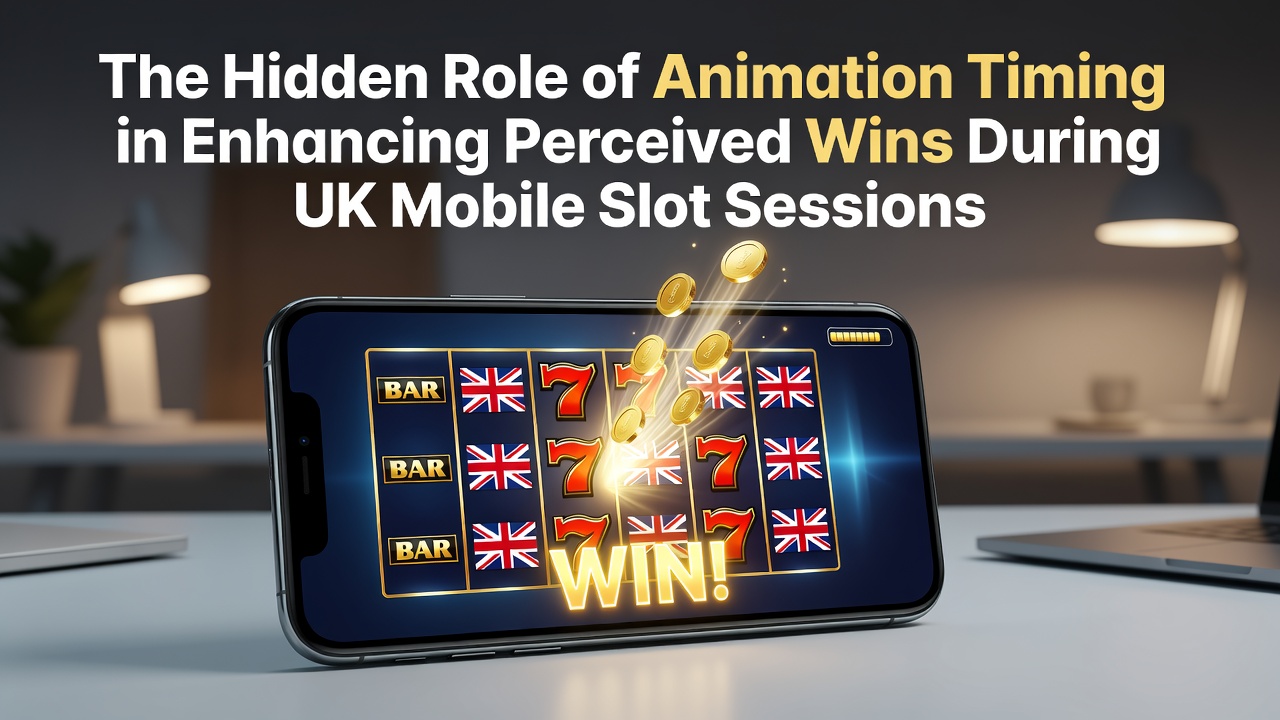
Frame Delays and Reel Pauses: Animation Techniques Shaping Win Perceptions in UK Mobile Slots
Animation timing in mobile slot games operates through precise control of frame rates, reel stop sequences, and post-spin delays that extend the interval between outcome determination and visual confirmation. Developers program these intervals to align with player interaction patterns on touchscreens, where finger taps trigger spins and subsequent pauses hold symbols in place for fractions of a second before final alignment occurs. Such mechanics appear across numerous UK-accessible platforms that comply with remote gambling standards, and they draw from broader principles of visual perception studied in digital interfaces.
Mechanics of Timed Sequences in Mobile Reels
Reel animations follow layered timing structures where each symbol column decelerates at staggered intervals, creating a cascading effect that lasts between 800 and 1500 milliseconds depending on the title. Programmers insert micro-pauses after near-miss configurations, holding two matching symbols visible while the third column continues to rotate for an additional 200 to 400 milliseconds before settling. These intervals operate independently of the underlying random number generator, which finalises results at the moment of spin initiation, yet the visual presentation stretches the perceived duration of anticipation.
Mobile optimisation further refines these timings to account for variable screen refresh rates and touch latency, ensuring that animations render smoothly across devices running different operating systems. Data from interface testing indicates that consistent frame delivery at 60 frames per second maintains player engagement during extended sessions without introducing noticeable stutter that could disrupt the flow of play.
Visual Feedback During Win Events
Once a winning combination registers, celebratory sequences activate with their own timing parameters: symbol highlights pulse at intervals of 250 milliseconds, coin or particle effects accumulate over 1.2 to 2.5 seconds, and the total win meter increments progressively rather than displaying the full amount instantly. This graduated reveal method distributes visual information across multiple frames, allowing players to track accumulating values through successive animation stages instead of absorbing a single static number.
Sound synchronisation accompanies these visual layers, with audio cues timed to coincide with key animation milestones such as symbol lock-ins or multiplier reveals. The combined audiovisual timing produces a unified feedback loop that extends the duration of positive reinforcement following each win event.
Player Interaction Patterns and Timing Adjustments
Session data collected across UK mobile users reveals distinct patterns in spin frequency and dwell time that correlate with animation pacing. Faster reel stops tend to prompt quicker subsequent spins, whereas extended win celebrations extend the interval before the next spin button becomes active. Interface designers calibrate these post-win delays to balance session rhythm without interrupting player control, typically restoring full interactivity within three seconds of animation completion.

Research conducted by the Australian Gambling Research Centre on digital interface timing demonstrates that graduated visual reveals influence how participants register outcome magnitude across repeated trials. Parallel findings from the University of Nevada, Las Vegas International Gaming Institute examine similar parameters in electronic gaming machines, noting that controlled animation pacing affects attention allocation during outcome presentation phases.
Regulatory Context for Animation Standards
Remote gambling frameworks in the UK require that game mechanics remain transparent and that outcomes derive solely from certified random processes, yet animation layers sit outside these certification boundaries provided they do not alter result probabilities. Testing laboratories verify that timing variations function as presentation elements only, confirming no deviation from the certified return-to-player percentages embedded in the software. Providers update these animation parameters periodically through server-side patches that leave core randomisation untouched.
Conclusion
Animation timing in UK mobile slots functions through deliberate control of reel deceleration, win celebration pacing, and audiovisual synchronisation that structures how outcomes appear on screen. These techniques operate within established regulatory parameters while shaping the temporal experience of each spin and result. Observers note continued refinement of these parameters as device capabilities and player interaction data evolve, maintaining separation between underlying game mathematics and visual presentation layers.