British Legends Resurface: Folklore Symbols Driving Innovation in Digital Slot Creations
Written by Bianca Flores · Jun 14, 2026
British Legends Resurface: Folklore Symbols Driving Innovation in Digital Slot Creations
British folklore has long supplied a rich palette of symbols that developers now adapt for licensed online slots, and recent releases show these elements moving from static backgrounds into core game mechanics. Symbols such as Celtic knots, Arthurian swords, and standing stones appear alongside payline structures that reward players for aligning mythic icons, while bonus rounds often draw directly from tales of the Green Man or the Lady of the Lake. Data from industry reports indicate that titles incorporating these motifs have increased their share of new releases between 2024 and 2026.
Core Symbols Entering Slot Mechanics
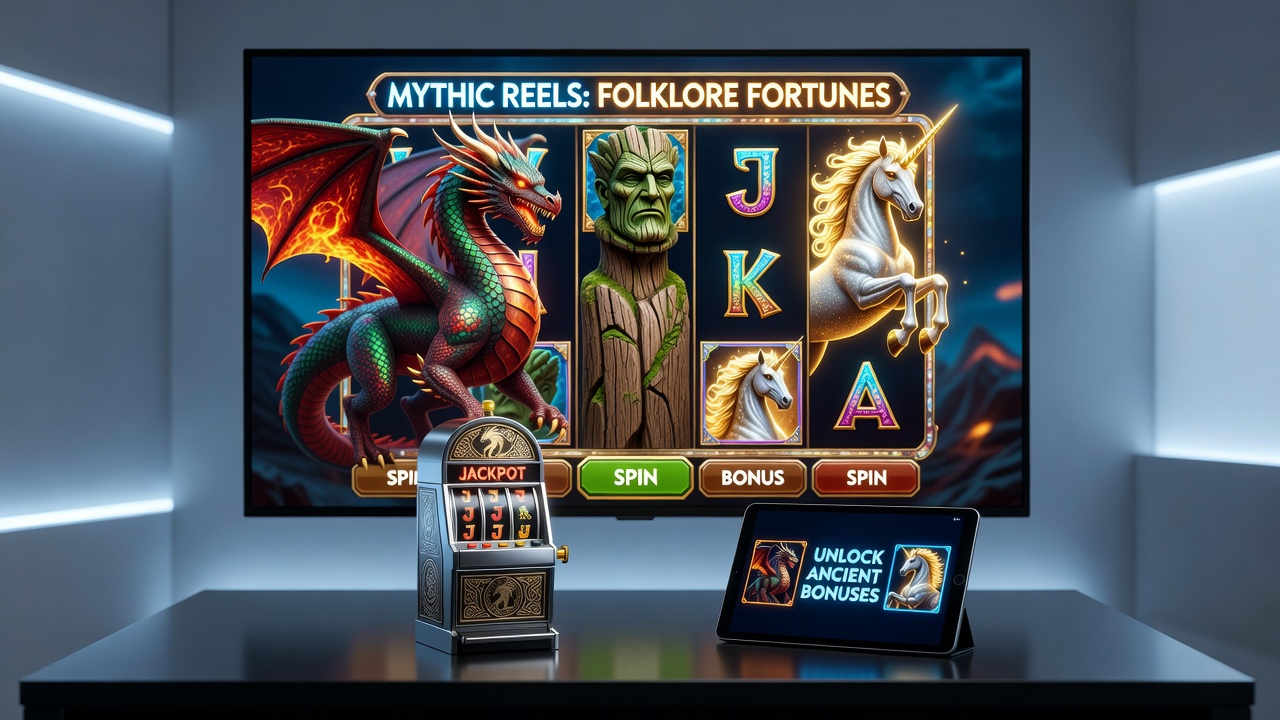
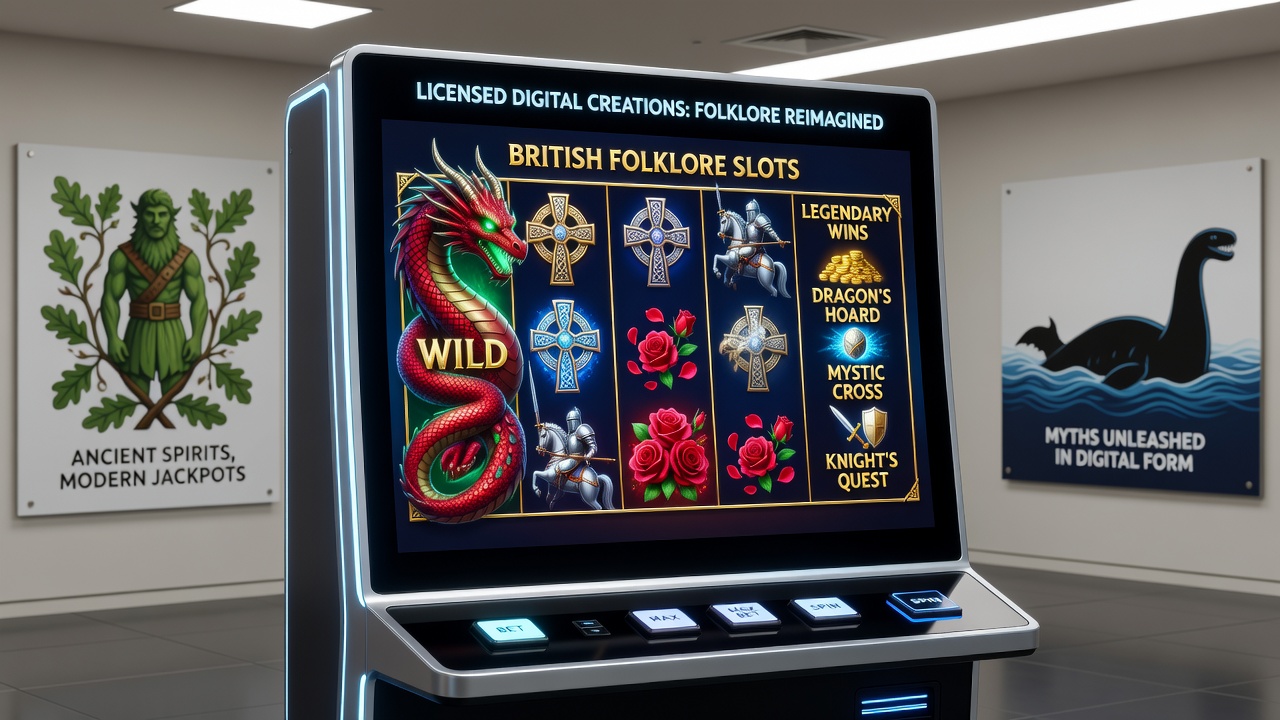
Design teams translate familiar images into reel symbols that trigger features rather than serve only as decoration. A Celtic knot might expand across the grid to create wild connections, whereas a dragon from Welsh legend can shift position to alter reel configurations during free-spin sequences. Observers note that such integrations allow games to reference source material without requiring players to possess prior knowledge of the stories, because the mechanics themselves communicate the theme through visual and audio cues.
Robin Hood imagery surfaces in scatter symbols that unlock archery-style bonus games, while fairy rings drawn from Cornish traditions mark positions that multiply wins when multiple rings appear. These choices reflect licensing agreements that permit use of public-domain legends alongside protected character designs from contemporary retellings.
Regulatory Environment and Licensed Markets
Licensed operators must meet standards set by various oversight bodies, including the Malta Gaming Authority and the Isle of Man Gambling Supervision Commission, both of which require clear disclosure of random-number-generator testing and responsible-play tools. Figures released by the European Gaming and Betting Association in early 2026 show continued growth in markets where folklore-themed slots receive approval after independent audits confirm compliance with age-verification and transaction-monitoring protocols.
Developers schedule major updates around seasonal events, and several studios announced new folklore titles timed for June 2026 releases that coincide with midsummer festivals celebrated across the British Isles. These launches incorporate updated graphics engines that render stone circles and mist-shrouded forests with greater detail while maintaining file sizes suitable for mobile connections.
Player Engagement Patterns
Analytics shared by research groups such as the Australian Gambling Research Centre indicate that sessions featuring recognizable folklore symbols tend to last longer on average than those using generic fruit or gem themes, although session length varies by jurisdiction. Players often discover the narrative layers through repeated exposure to the same symbols across different titles, creating informal connections between games that share thematic elements without sharing code or licensing rights.
Soundtracks built around traditional instruments, including the harp and bodhrán, accompany these symbols and change tempo during feature triggers, reinforcing the cultural references through audio design. Studies of player behavior show that such multisensory cues increase recognition of specific legends even among users who have not studied the source material beforehand.
Future Developments
Studios continue to explore lesser-known regional stories, such as the Black Shuck legends of East Anglia and the selkie tales of the Scottish islands, as source material for upcoming releases. Partnerships with museums and heritage organizations supply verified imagery that developers adapt under licensing terms, ensuring visual accuracy while meeting technical requirements for high-speed reel animation.
Cross-platform compatibility remains a priority, because players access the same folklore-themed titles on desktop, tablet, and smartphone interfaces that preserve symbol clarity across screen sizes. Updates scheduled after June 2026 are expected to introduce new collection systems where players gather fragments of legendary artifacts across multiple games, extending engagement beyond individual sessions.
Conclusion
British folklore symbols have moved from decorative accents to functional components within licensed digital slots, supported by regulatory frameworks in multiple jurisdictions and driven by measurable player interest. Continued releases through 2026 demonstrate that these ancient motifs retain relevance when paired with modern mechanics and verified compliance standards.