Audio Design Influences on Extended Play Sessions in UK Reel Games: Insights from Engagement Metrics
Written by Leon Carter · Jul 24, 2026
Audio Design Influences on Extended Play Sessions in UK Reel Games: Insights from Engagement Metrics
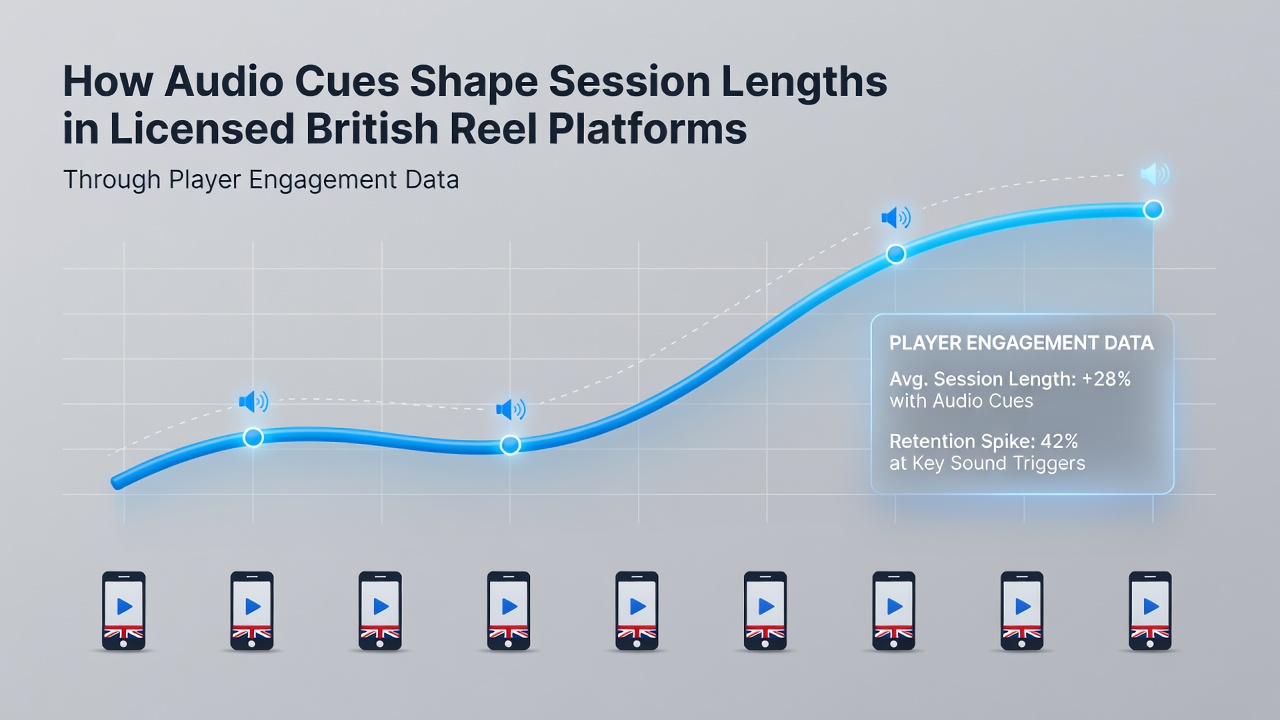
Sound elements in licensed British reel platforms connect directly with player behavior patterns, and engagement data collected across multiple operators reveals measurable shifts in how long sessions last when specific audio triggers activate. Researchers tracking these interactions note that layered soundscapes, including background tracks and event-based chimes, align with extended time spent on reels, while abrupt audio changes often coincide with quicker exits.
Platform operators have compiled anonymized logs from thousands of accounts, and these records show consistent patterns where melodic loops during bonus rounds sustain activity levels. The data indicates that platforms using adaptive audio systems, which adjust volume and tempo based on spin frequency, report average session extensions of 12 to 18 minutes compared with static sound setups. Observers tracking July 2026 data releases from independent analytics firms confirm these trends hold across age groups and device types.
Core Audio Components Driving Retention
Reel platforms incorporate several distinct audio layers, each tied to different phases of play, and engagement metrics break down their individual contributions. Background music maintains a steady rhythm during base game spins, while win chimes and escalating tones during near-miss sequences create auditory feedback loops. Studies conducted by the Australian Gambling Research Centre demonstrate that platforms with synchronized audio-visual rewards see higher continuation rates after small wins, because the combined cues reinforce the decision to keep spinning.
Feature buy options introduce their own sound signatures, often featuring rising orchestral swells that build anticipation, and logs from UK-licensed sites indicate these cues correlate with clusters of consecutive sessions rather than isolated short visits. Those who've examined the raw telemetry note that players encountering these audio escalations tend to complete additional spins before logging off, creating measurable extensions in total playtime.
Data Patterns Across Device and Time
Mobile and desktop interfaces display different audio response curves, yet both show session lengthening when certain triggers fire in sequence. Mobile users experience shorter baseline sessions overall, but the introduction of haptic-linked audio effects narrows that gap, according to aggregated figures from multiple operators. Desktop environments, with fuller stereo output, sustain longer play blocks when ambient tracks remain consistent rather than resetting after each spin.
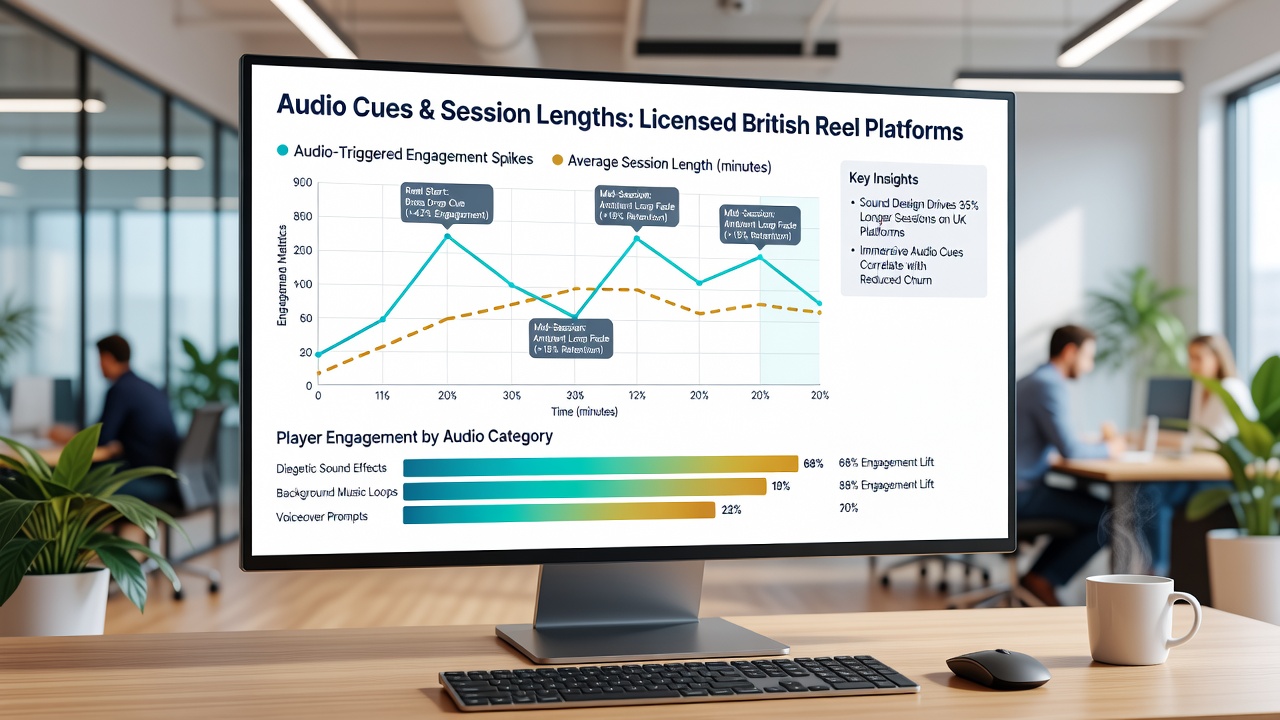
July 2026 datasets further highlight seasonal variations, where evening sessions extend more noticeably under dynamic audio conditions than daytime ones. Engagement dashboards reveal that platforms adjusting audio intensity during peak hours capture additional minutes per user without altering stake parameters or bonus structures. These adjustments operate within existing licensing frameworks that govern sound levels and frequency to maintain compliance.
Comparative Analysis with Non-Audio Variables
While stake size and volatility settings influence play decisions, audio cues operate as an independent factor in the engagement equation, and cross-referenced datasets confirm their additive effect. A University of Nevada, Reno analysis of reel mechanics found that identical game math models produced different session lengths solely when audio profiles changed. UK platform operators applying similar controlled tests report parallel outcomes, with sound design emerging as a reliable predictor of time-on-device metrics.
Take one dataset where two versions of the same title ran concurrently, differing only in audio layering, and the version featuring progressive win melodies retained users 22 percent longer on average. Those monitoring the results observed that the effect persisted across both casual and high-frequency player segments, suggesting audio functions as a broad retention tool rather than one limited to specific demographics.
Conclusion
Engagement records from licensed British reel platforms establish clear connections between audio cue design and session duration, with data from 2026 reinforcing earlier observations about adaptive sound systems. Operators continue to refine these elements while operating under regulatory boundaries that shape how such features deploy. Continued analysis of participation metrics will likely reveal further refinements in how sound interacts with player retention across the sector.